Water Extraction & Removal in Wake Forest, NC
Standing water keeps moving into baseboards, subfloor and the crawl space below. The extraction crew pulls it out with truck-mounted equipment, then the drying team takes the structure to a verified dry reading.
(888) 578-4720Pull the standing water out now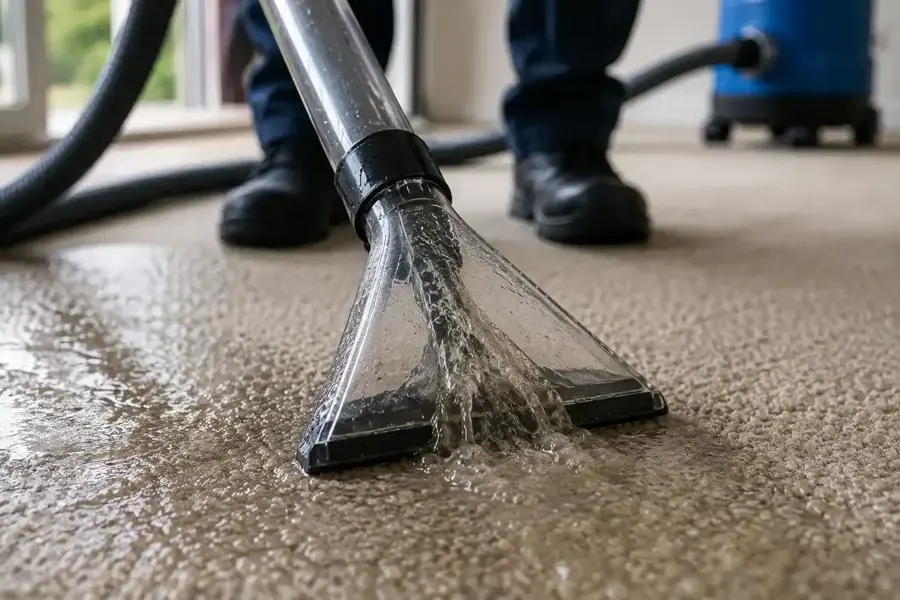
First steps for water extraction and removal in Wake Forest
Shut off the source
Close the main valve or the fixture shut-off so no new water enters the room.
Cut power to wet rooms
Flip the breakers for flooded areas if the panel itself is dry and safe to reach.
Lift what you can
Move rugs, electronics and wood furniture off the wet floor and onto dry blocks.
Photograph, then call
Take photos of every wet room before anything moves, then call (888) 578-4720.
How water extraction and removal is handled to the S500 standard
Rapid local response
The response team runs emergency calls around the clock across Wake Forest, so the extraction starts while the water is still on the surface.
IICRC S500 drying standard
Crews follow the industry drying standard: moisture mapping first, then extraction, air movers and LGR dehumidifiers sized to the room.
Claim-ready documentation
The mitigation team records a moisture map, daily readings and timestamped photos, the file an adjuster reads.
Wake Forest water experts
Vented crawl spaces on red clay, new PEX plumbing and storm rain off the Neuse basin shape how the drying team plans each job.
What does water extraction and removal cost in Wake Forest, NC?
In Wake Forest, NC, water extraction and removal typically runs $400 to $3,500, depending on how much water is standing, the water category, the flooring involved and whether the crawl space below also needs pumping.
One room, clean water
$400 to $1,200- Carpet or hard floor
- Extraction plus air movers
- Two to three days of drying
Several rooms or a crawl space
$1,200 to $2,500- Pad removal
- Crawl space pump-out
- LGR dehumidification
Deep or contaminated water
$2,500 to $3,500+- Category 2 or 3 water
- Flooring removal
- Antimicrobial treatment
Every loss is different. For a planning range, try the water damage cost calculator.
The water extraction and removal process, step by step
- 1
Walkthrough and moisture map
The tech maps wet materials with meters and thermal imaging and sets the water category.
- 2
Truck-mounted extraction
The extraction crew pulls standing water from carpet, hard floors and the crawl space.
- 3
Drying setup
Air movers and LGR dehumidifiers go in, sized to each room's evaporation load.
- 4
Daily readings to dry
Readings are logged daily until the materials meet the S500 drying goal.
Extraction is the cheapest drying there is. Every gallon the extraction crew pulls out as liquid is a gallon the dehumidifiers never have to pull out of the air, which is why the first hour of a Wake Forest water loss decides how much of the house can be saved.
Why extraction comes before everything else
Water in a house on a crawl space does not stay on the floor. It runs along the subfloor seams, soaks the bottom of the drywall and drips onto the insulation and joists below. The tech who does the walkthrough maps that spread with a pinless meter and a thermal camera before any hose goes down, so the crew extracts where the water actually went.
- Truck-mounted units move the water out of the building instead of into a bucket in the next room.
- Weighted extraction tools press water out of carpet and pad in place.
- Squeegee wands clear hardwood, tile and vinyl plank before the water works into the seams.
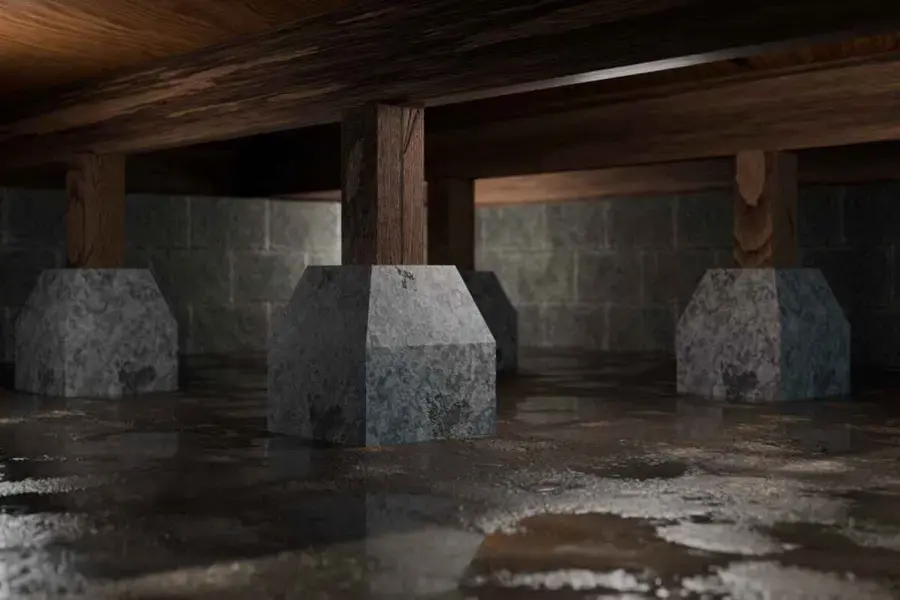
- Submersible pumps handle deep water in a garage or a flooded crawl space.
What happens to carpet, pad and flooring
Clean-water carpet can often be extracted, floated and dried in place. Pad soaks up far more water than carpet and is usually pulled and replaced. Laminate and many vinyl plank floors trap water underneath them, so the crew lifts a few boards to read the subfloor. On a Category 3 loss, such as a sewage backup or creek water, porous flooring touched by the water is removed, not dried. The EPA notes that wet materials dried within 24 to 48 hours rarely grow mold, which is the whole reason extraction starts first.
From extraction to a dry reading
After the water is out, the drying team sets air movers at the evaporation load of each room and runs LGR dehumidifiers to pull the moisture back out of the air. Readings go into a drying log every day. Equipment comes out when the wet material sits within 2 to 4 points of a dry reference material in the same house, not when the carpet feels dry. See structural drying for how that goal is set, and Ready.gov for flood safety before anyone walks through standing water.
Water Extraction and Removal across Wake Forest and nearby towns
The restoration team covers Wake Forest ZIP codes 27587 and 27588, from the historic district to Heritage, Holding Village and Traditions, and out to Rolesville, Youngsville, Franklinton and North Raleigh.
See every neighborhood and ZIP coveredServices related to water extraction and removal in Wake Forest

Water Extraction and Removal questions, answered
How much water can a shop vacuum really pull out?
A shop vacuum handles a small spill, but it moves only a few gallons at a time and leaves the pad and subfloor wet. Truck-mounted extraction moves far more water per minute and draws it out of carpet and pad, which shortens the drying time by days.
Can wet carpet be saved after extraction?
Often, if the water was clean and extraction started early. The pad usually gets replaced because it holds so much water. Carpet touched by sewage or floodwater is removed, not dried, because it cannot be reliably cleaned.
Does the crawl space need extraction too?
If water came through the floor, very likely. Water that reaches a vented crawl space sits on the clay and raises humidity under the whole house. The crew checks the crawl space on every job where water crossed the subfloor.
How long does extraction take?
Extraction itself usually takes a few hours for a typical home loss. The drying that follows takes three to five days for a contained loss, longer for hardwood or plaster.
Is water extraction covered by insurance?
Extraction after a sudden, accidental water loss, such as a burst supply line, is commonly part of a covered claim. Rising floodwater falls under flood coverage instead. Coverage depends on the policy, so it is worth checking with your own insurer.
Why is a moisture map made before extraction?
Because water travels farther than it looks. The map shows the wet edges behind baseboards and under flooring, so the crew extracts and dries the right areas instead of guessing.
Water Extraction and Removal in Wake Forest? Call now.
The restoration team extracts the water, dries the structure to the IICRC S500 standard and documents every step for the insurance claim.