Appliance Leak Cleanup in Wake Forest, NC
A burst washer hose, a dishwasher that leaks under the cabinets or a cracked ice-maker line can soak a kitchen or laundry room while nobody is home. The drying team extracts the water and dries the cabinets, walls and subfloor.
(888) 578-4720Dry the kitchen or laundry room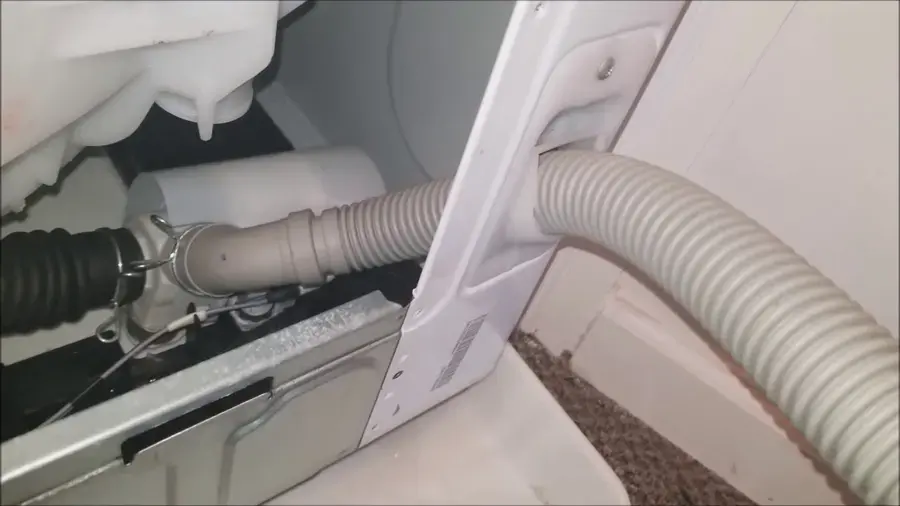
First steps for appliance leak cleanup in Wake Forest
Close the appliance valve
Shut the supply valve behind the washer, under the sink or behind the fridge.
Unplug if dry to reach
Unplug the appliance only if the outlet and your hands are dry.
Pull out what is wet
Remove items from lower cabinets and move rugs off the wet floor.
Call for cabinet drying
Call (888) 578-4720 before the water soaks into the cabinet bases.
How appliance leak cleanup is handled to the S500 standard
Rapid local response
The response team runs emergency calls around the clock across Wake Forest, so the extraction starts while the water is still on the surface.
IICRC S500 drying standard
Crews follow the industry drying standard: moisture mapping first, then extraction, air movers and LGR dehumidifiers sized to the room.
Claim-ready documentation
The mitigation team records a moisture map, daily readings and timestamped photos, the file an adjuster reads.
Wake Forest water experts
Vented crawl spaces on red clay, new PEX plumbing and storm rain off the Neuse basin shape how the drying team plans each job.
What does appliance leak cleanup cost in Wake Forest, NC?
In Wake Forest, NC, appliance leak cleanup typically runs $500 to $4,000, depending on whether the water was clean or gray, how far it ran under cabinets, whether it reached a ceiling below and how long it sat.
Laundry room, clean water
$500 to $1,200- Extraction
- Wall base drying
- Short equipment stay
Kitchen under cabinets
$1,200 to $2,800- Toe kick removal
- Cabinet cavity drying
- Subfloor readings
Upstairs or gray water
$2,800 to $4,000+- Ceiling below dried
- Antimicrobial treatment
- Some material removal
Every loss is different. For a planning range, try the water damage cost calculator.
The appliance leak cleanup process, step by step
- 1
Moisture map
The tech reads floors, cabinet bases, walls and any ceiling below.
- 2
Extract
The crew removes standing water from the floor and under appliances.
- 3
Open the cavities
Toe kicks come off and air is pushed under cabinets and into walls.
- 4
Dry and verify
LGR dehumidifiers run until readings meet the drying goal.
Appliance leaks are some of the most common water losses in any house, and in Wake Forest many laundry rooms sit on the second floor of newer homes, which turns a washer leak into a ceiling problem for the room below.
The usual suspects
- Rubber washing machine hoses that crack with age; braided steel hoses last longer.
- Washer drain hoses that slip out of the standpipe.
- Dishwasher door seals, supply lines and drain connections under the sink.
- Refrigerator ice-maker lines, often thin plastic tubing, that crack or pull loose when the fridge is moved.
Clean water or gray water
Water from a supply hose is clean at first. Water from a washer or dishwasher drain carries soap, food and dirt, which makes it Category 2 gray water. The difference changes what can be dried in place: cabinets and flooring touched by gray water are cleaned and treated, and pad and porous materials are more likely to come out.
Drying under cabinets and appliances
Water under a kitchen runs beneath the cabinets and sits on the subfloor where no fan can reach it. The drying team removes the toe kicks, and sometimes the dishwasher, so dry air can move under the base cabinets. Small holes in the back of a cabinet base let air into the cavity behind it. Readings are taken on the subfloor, the cabinet bases and the walls, and on the ceiling below if the laundry room is upstairs. The EPA WaterSense Fix a Leak pages suggest replacing washer hoses every few years; the USGS water resources pages cover water use across the country.
Appliance Leak Cleanup across Wake Forest and nearby towns
The restoration team covers Wake Forest ZIP codes 27587 and 27588, from the historic district to Heritage, Holding Village and Traditions, and out to Rolesville, Youngsville, Franklinton and North Raleigh.
See every neighborhood and ZIP coveredServices related to appliance leak cleanup in Wake Forest
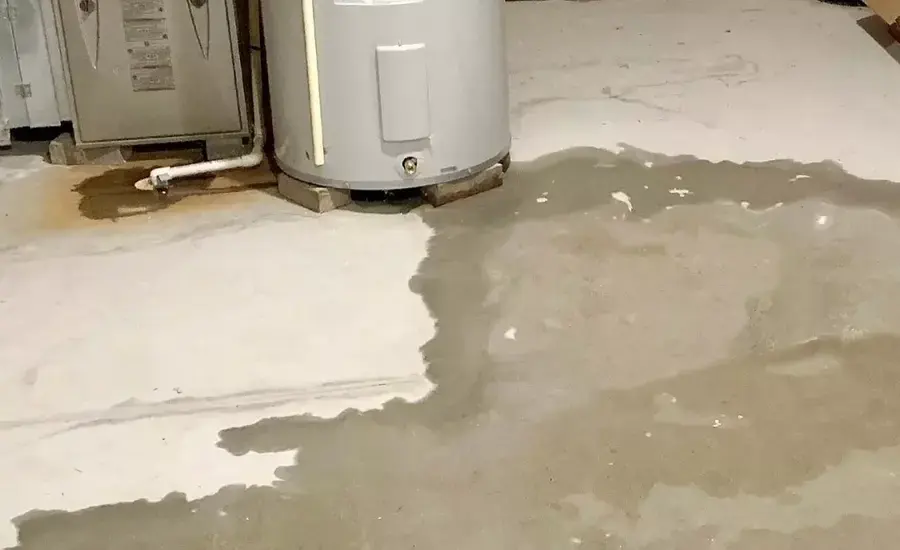
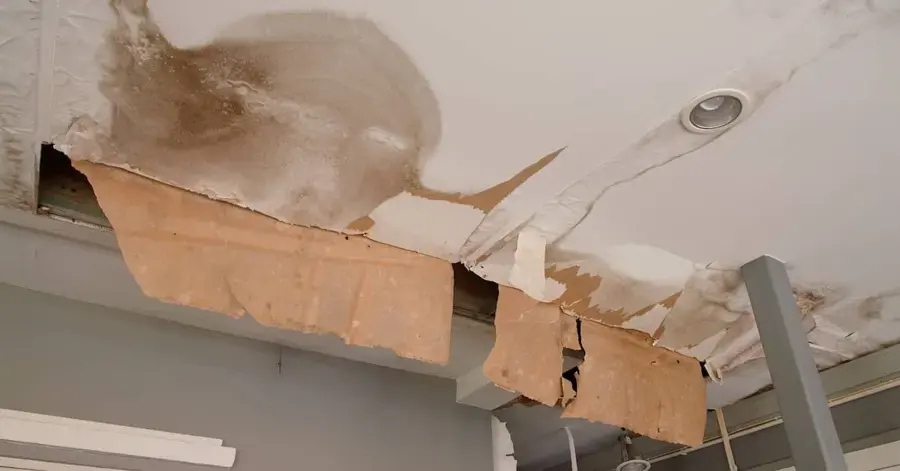
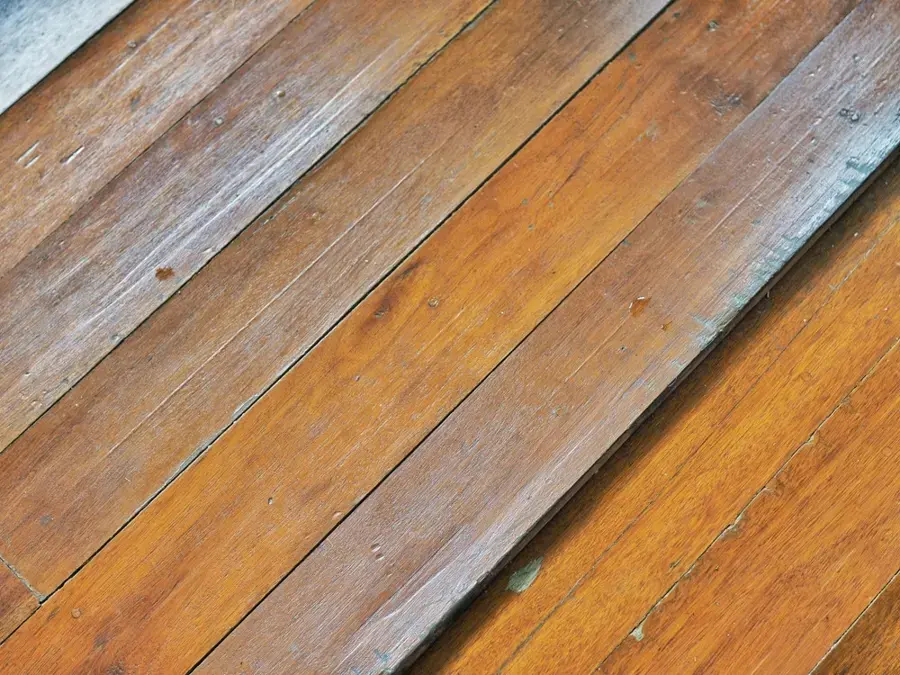
Appliance Leak Cleanup questions, answered
How often should washer hoses be replaced?
Rubber hoses are commonly replaced every three to five years. Braided stainless hoses last longer but still wear at the fittings.
Can kitchen cabinets be saved after a leak?
Often, if the water was clean and drying starts quickly. Particleboard cabinet bases that swell or delaminate usually need replacement.
Why does the floor still feel wet after I mopped?
Water runs under cabinets and into the subfloor, where mopping cannot reach. Meters show whether the subfloor is still wet.
Is dishwasher water clean?
The supply water is clean, but drain water from a dishwasher or washer is gray water and is treated more carefully.
Does insurance cover appliance leaks?
Sudden leaks, like a burst hose, are often covered; the appliance itself and slow leaks usually are not. Check with your own insurer.
How long does drying take after an appliance leak?
Most contained kitchen and laundry losses dry in two to four days; hardwood and upstairs leaks take longer.
Appliance Leak Cleanup in Wake Forest? Call now.
The restoration team extracts the water, dries the structure to the IICRC S500 standard and documents every step for the insurance claim.