Storm & Flood Water Cleanup in Wake Forest, NC
Late-summer tropical storms can drop several inches of rain on northern Wake County in a day, pushing Smith Creek and Richland Creek over their banks. The extraction crew handles floodwater as Category 3, removing what cannot be cleaned and drying what can.
(888) 578-4720Clear the storm water out
First steps for storm and flood water cleanup in Wake Forest
Stay out of floodwater
Floodwater can hide live current, sharp debris and sewage; keep children and pets away.
Shut off power safely
If water is near outlets or the panel, have power cut at the meter by the utility.
Photograph the water line
Take photos showing how high the water reached on walls and furniture.
Call for Category 3 cleanup
Call (888) 578-4720 so contaminated materials are removed and drying begins.
How storm and flood water cleanup is handled to the S500 standard
Rapid local response
The response team runs emergency calls around the clock across Wake Forest, so the extraction starts while the water is still on the surface.
IICRC S500 drying standard
Crews follow the industry drying standard: moisture mapping first, then extraction, air movers and LGR dehumidifiers sized to the room.
Claim-ready documentation
The mitigation team records a moisture map, daily readings and timestamped photos, the file an adjuster reads.
Wake Forest water experts
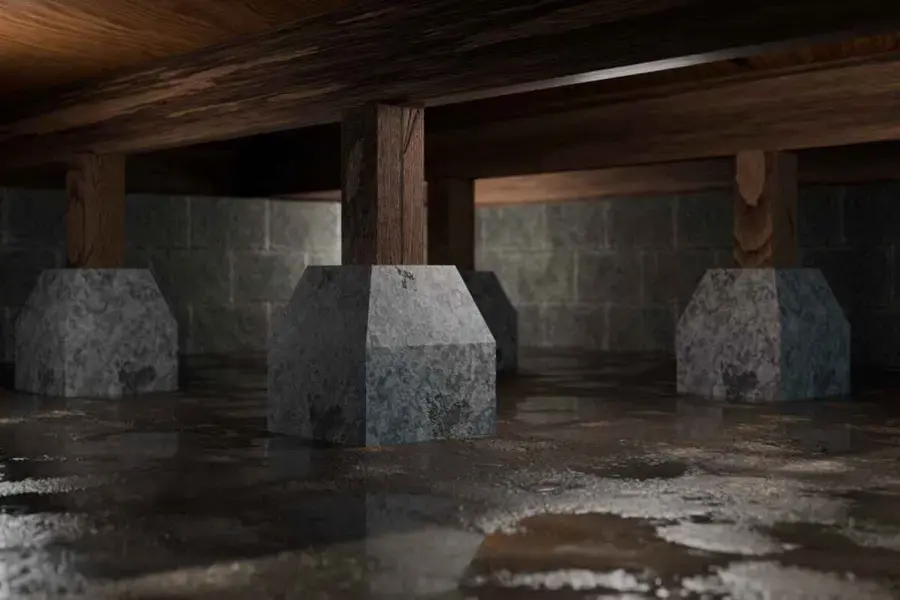
Vented crawl spaces on red clay, new PEX plumbing and storm rain off the Neuse basin shape how the drying team plans each job.
What does storm and flood water cleanup cost in Wake Forest, NC?
In Wake Forest, NC, storm and flood water cleanup typically runs $2,500 to $12,000 or more, depending on the depth of the water, how much drywall, flooring and insulation must be removed, whether the crawl space flooded and the square footage involved.
Crawl space or one room
$2,500 to $5,000- Extraction
- Limited removal
- Antimicrobial treatment
Main floor, shallow water
$5,000 to $9,000- Flooring and drywall removal
- Containment
- Structural drying
Deep or widespread
$9,000 to $12,000+- Large removal scope
- HEPA air scrubbing
- Extended drying
Every loss is different. For a planning range, try the water damage cost calculator.
The storm and flood water cleanup process, step by step
- 1
Safety and assessment
The tech checks power, structure and water category and maps moisture.
- 2
Extract water and silt
The crew removes standing water and mud with pumps and extractors.
- 3
Remove and treat
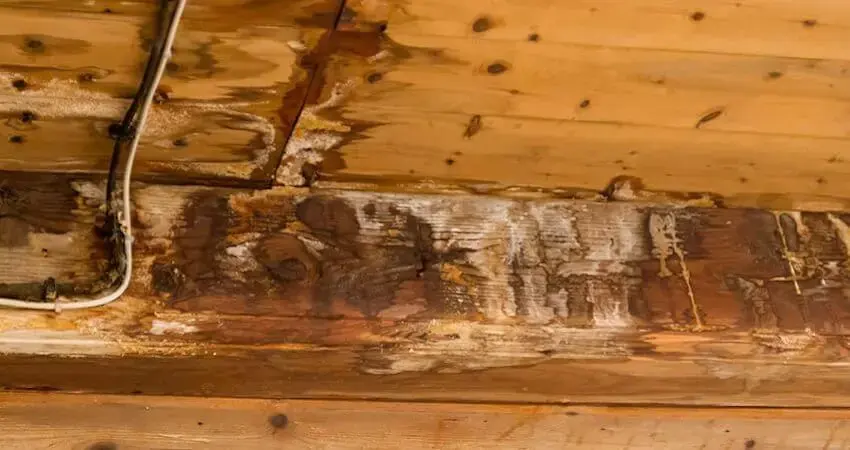
Porous materials touched by floodwater come out; framing gets antimicrobial.
- 4
Dry and verify
Air movers and LGR units run until readings meet the drying goal.
Most Wake Forest storm losses are not from a river rising into town. They come from heavy rain that the red clay cannot absorb: water runs toward the house, pools against the foundation, fills the crawl space and sometimes comes through a door or window well on a low lot.
Where storm water comes from here
- Tropical storm and hurricane remnants crossing the Piedmont between August and October.
- Summer thunderstorms that drop an inch or more in under an hour.
- Smith Creek and Richland Creek rising along low lots and greenway neighborhoods.
- The Neuse River below the Falls Lake Dam when high releases combine with local rain.
- Gutters and downspouts that dump roof water right beside the foundation.
Why floodwater is handled differently
Water that has run across the ground carries soil, fertilizer and sewage from overflowing lines, so the IICRC treats it as Category 3 from the start. The extraction crew removes standing water and silt, then removes porous materials the water touched: carpet and pad, drywall to a line above the water mark, and insulation. Hard surfaces and framing are cleaned and treated with an EPA-registered antimicrobial before drying begins. Crews wear protective gear and use containment and HEPA air scrubbers where contaminated debris is being removed. Ready.gov and the National Weather Service explain how to stay safe around floodwater before cleanup starts.
Flood coverage is its own policy
Standard homeowners policies generally exclude rising surface water, which falls under flood insurance. Wind-driven rain through a damaged roof is often treated differently. Whatever the policy, the claim file carries the same things: photos taken before removal, the water line marked on walls, the moisture map and daily drying logs. See crawl space water damage for storm water that only reached under the house.
Storm and Flood Water Cleanup across Wake Forest and nearby towns
The restoration team covers Wake Forest ZIP codes 27587 and 27588, from the historic district to Heritage, Holding Village and Traditions, and out to Rolesville, Youngsville, Franklinton and North Raleigh.
See every neighborhood and ZIP coveredServices related to storm and flood water cleanup in Wake Forest

Storm and Flood Water Cleanup questions, answered
Is storm water dangerous to clean up myself?
Floodwater is Category 3 and can carry sewage, chemicals and bacteria. Protective gear, removal of porous materials and antimicrobial treatment are the standard, which is why most homeowners leave it to a restoration crew.
Does all the drywall have to come out after a flood?
Drywall touched by floodwater is usually cut out to a line above the water mark, often about two feet above it, so the wall cavity can be cleaned and dried.
Why did my crawl space flood when my yard drains fine?
Red clay can shed water at the surface toward the foundation, and gutters that discharge beside the house add to it. The water collects at the lowest point, often under the house.
Is storm flooding covered by homeowners insurance?
Rising surface water usually is not; it falls under flood insurance. Wind-driven rain through storm damage may be covered. Check the details with your own insurer.
How long does storm flood drying take?
After removal and treatment, framing usually dries in three to seven days depending on the depth of the water and the weather. Equipment stays until readings meet the goal.
What should I keep for the claim?
Photos of the water line, damaged items and each room before cleanup, plus the moisture map and drying logs the restoration team records.
Storm and Flood Water Cleanup in Wake Forest? Call now.
The restoration team extracts the water, dries the structure to the IICRC S500 standard and documents every step for the insurance claim.