Sewage Backup Cleanup in Wake Forest, NC
Sewage backup is Category 3 water the moment it happens. The cleanup crew contains the area, removes contaminated porous materials, treats every surface with an EPA-registered antimicrobial and dries the structure.
(888) 578-4720Get the sewage contained and cleaned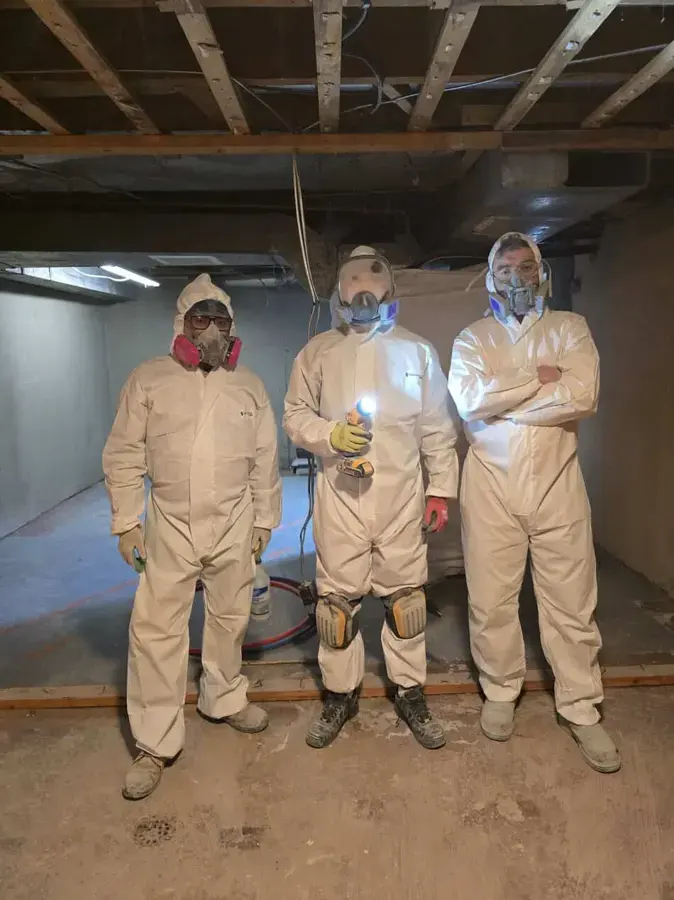
First steps for sewage backup cleanup in Wake Forest
Stop using water
Do not flush, run sinks or start the washer; every drain can add to the backup.
Keep everyone out
Close off the area and keep children and pets away.
Turn off HVAC nearby
Shut down air handling that pulls air from the contaminated rooms.
Call for Category 3 cleanup
Call (888) 578-4720 for containment and cleanup.
How sewage backup cleanup is handled to the S500 standard
Rapid local response
The response team runs emergency calls around the clock across Wake Forest, so the extraction starts while the water is still on the surface.
IICRC S500 drying standard
Crews follow the industry drying standard: moisture mapping first, then extraction, air movers and LGR dehumidifiers sized to the room.
Claim-ready documentation
The mitigation team records a moisture map, daily readings and timestamped photos, the file an adjuster reads.
Wake Forest water experts
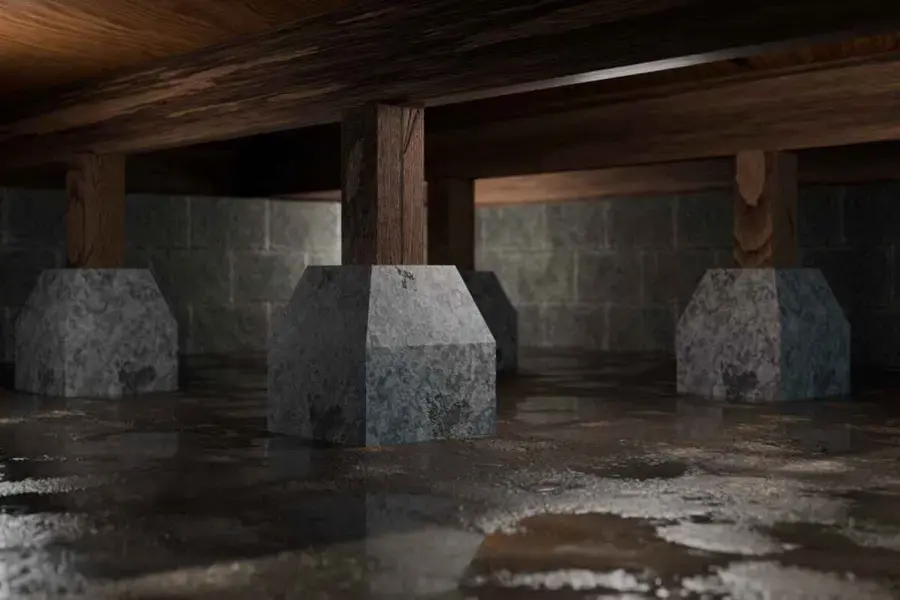
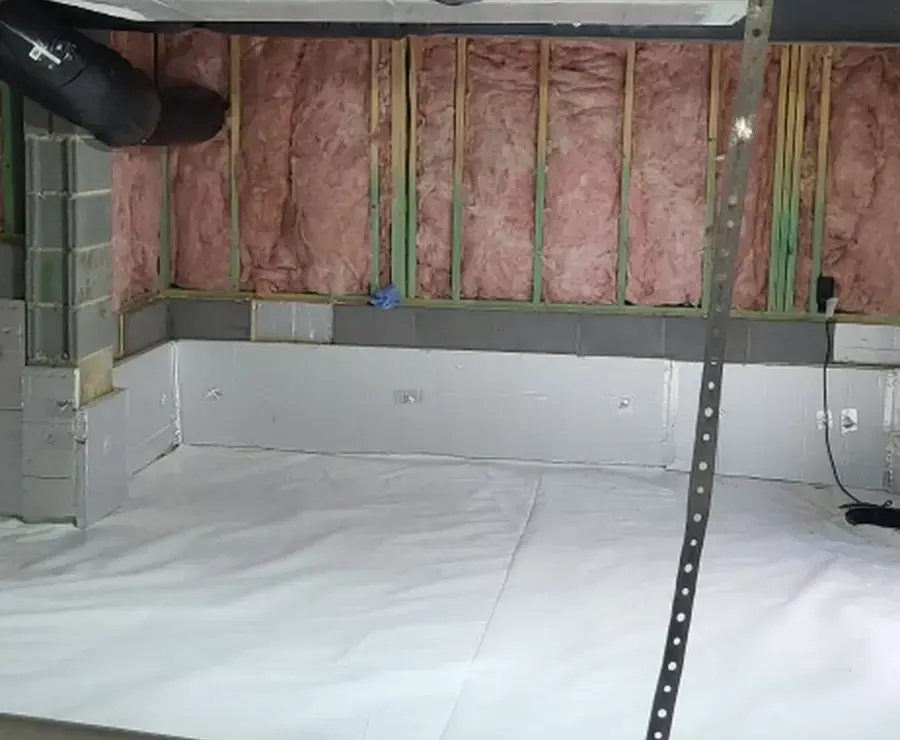
Vented crawl spaces on red clay, new PEX plumbing and storm rain off the Neuse basin shape how the drying team plans each job.
What does sewage backup cleanup cost in Wake Forest, NC?
In Wake Forest, NC, sewage backup cleanup typically runs $2,000 to $10,000, depending on how far the sewage spread, how much flooring, drywall and insulation must be removed, whether the crawl space was reached and how long it sat.
Bathroom or small area
$2,000 to $4,000- Containment
- Flooring removal
- Antimicrobial treatment
Several rooms
$4,000 to $7,000- Drywall removal
- HEPA air scrubbing
- Structural drying
Crawl space or wide spread
$7,000 to $10,000+- Crawl space cleanup
- Large removal scope
- Extended drying
Every loss is different. For a planning range, try the water damage cost calculator.
The sewage backup cleanup process, step by step
- 1
Contain the area
Plastic containment and HEPA air scrubbers keep contamination in place.
- 2
Extract and remove
Sewage is extracted; porous materials are removed and bagged.
- 3
Clean and treat
Surfaces are cleaned and treated with EPA-registered antimicrobial.
- 4
Dry and verify
The structure is dried and readings logged to the goal.
A sewage backup is a health problem first and a water problem second. The water carries bacteria and viruses, so the standard is to contain it, remove what it soaked and disinfect what stays, before any drying begins.
Why sewage backs up in Wake Forest homes
- Oak and other tree roots growing into older clay and cast iron sewer laterals in the historic district.
- Grease and wipes building up in the line until it blocks.
- Heavy storm rain overloading sewer lines, which the EPA calls a sanitary sewer overflow.
- A septic system in outlying areas that fills or fails after heavy rain.
The Category 3 protocol
The crew wears protective suits, gloves, boots and respirators, and sets up containment with plastic sheeting and negative air through HEPA air scrubbers so contamination does not spread to clean rooms. Standing sewage is extracted. Porous materials touched by the water, such as carpet, pad, drywall to above the water line, insulation and upholstered furniture, are removed and bagged, not dried. Hard surfaces and framing are cleaned and treated with an EPA-registered antimicrobial, left for its full dwell time, then dried with air movers and dehumidifiers. If sewage reached the crawl space, the affected soil surface and vapor barrier are handled the same way.
Keep people and pets out
Children, older adults, anyone with a weakened immune system and pets should stay out of the affected area until cleanup is finished. Do not run the HVAC system if its returns are in the contaminated area. OSHA lists the hazards workers face around contaminated water. A plumber clears the blockage; the restoration team handles the cleanup. For flooding that came from outside, see storm and flood water cleanup.
Sewage Backup Cleanup across Wake Forest and nearby towns
The restoration team covers Wake Forest ZIP codes 27587 and 27588, from the historic district to Heritage, Holding Village and Traditions, and out to Rolesville, Youngsville, Franklinton and North Raleigh.
See every neighborhood and ZIP coveredServices related to sewage backup cleanup in Wake Forest

Sewage Backup Cleanup questions, answered
Can I clean up a small sewage backup myself?
A toilet overflow onto a hard floor can be cleaned with care and disinfectant. Sewage that soaked carpet, drywall or reached a crawl space needs Category 3 cleanup with protective equipment.
Why does carpet have to go after a sewage backup?
Carpet and pad hold contaminated water deep in the fibers and cannot be reliably disinfected, so the IICRC standard is removal.
Who clears the sewer line?
A plumber clears the blockage or repairs the lateral. The restoration crew handles containment, removal, disinfection and drying.
Is it safe to stay in the house?
Usually, if the affected area is closed off and the HVAC is not moving air from it. Vulnerable people and pets should stay away from the area.
Is sewage backup covered by insurance?
Many policies exclude sewer backup unless a specific endorsement was added. Check your policy with your own insurer.
How long does sewage cleanup take?
Removal and treatment usually take a day or two, followed by several days of drying, depending on the size of the area.
Sewage Backup Cleanup in Wake Forest? Call now.
The restoration team extracts the water, dries the structure to the IICRC S500 standard and documents every step for the insurance claim.