Burst Pipe Cleanup in Wake Forest, NC
A pressurized supply line can move hundreds of gallons an hour into walls, floors and the crawl space below. The response team extracts the water and dries every cavity the leak reached, not just the floor you can see.
(888) 578-4720Get the burst pipe water out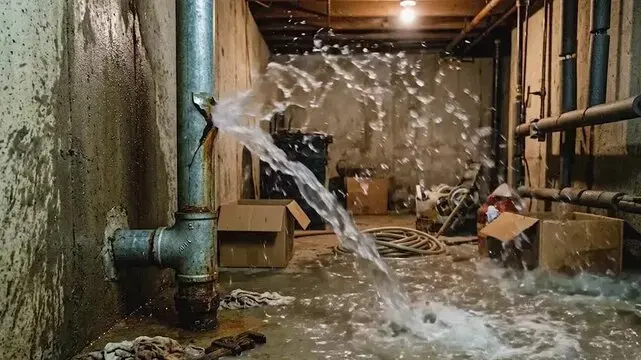
First steps for burst pipe cleanup in Wake Forest
Close the main valve
Find the main shut-off, usually near the water heater, in the crawl space or at the meter, and close it.
Open a faucet low
Drain the pressure out of the lines so less water keeps pushing through the break.
Kill power to wet areas
Turn off breakers for rooms with water near outlets, if the panel is dry.
Document and call
Photograph the break and the wet rooms, then call (888) 578-4720.
How burst pipe cleanup is handled to the S500 standard
Rapid local response
The response team runs emergency calls around the clock across Wake Forest, so the extraction starts while the water is still on the surface.
IICRC S500 drying standard
Crews follow the industry drying standard: moisture mapping first, then extraction, air movers and LGR dehumidifiers sized to the room.
Claim-ready documentation
The mitigation team records a moisture map, daily readings and timestamped photos, the file an adjuster reads.
Wake Forest water experts
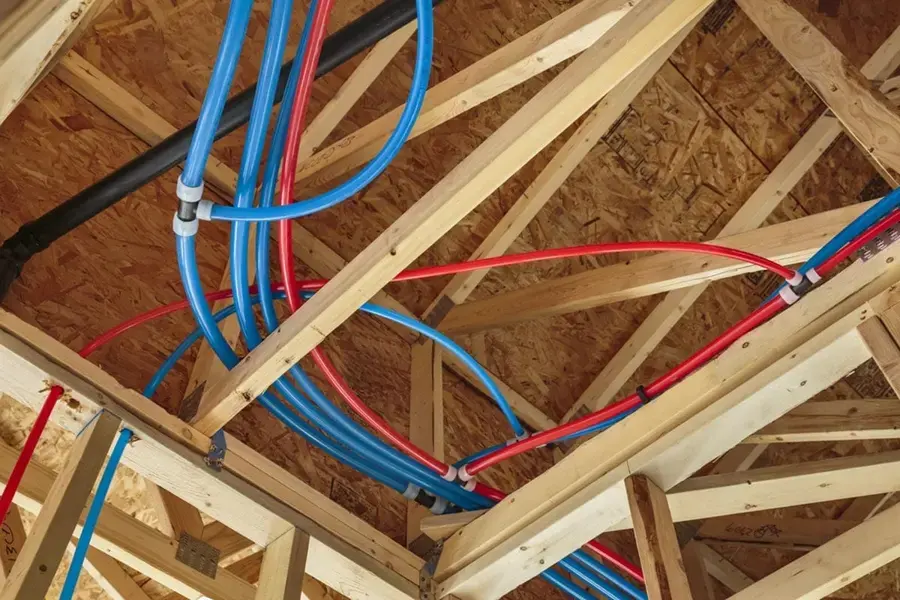
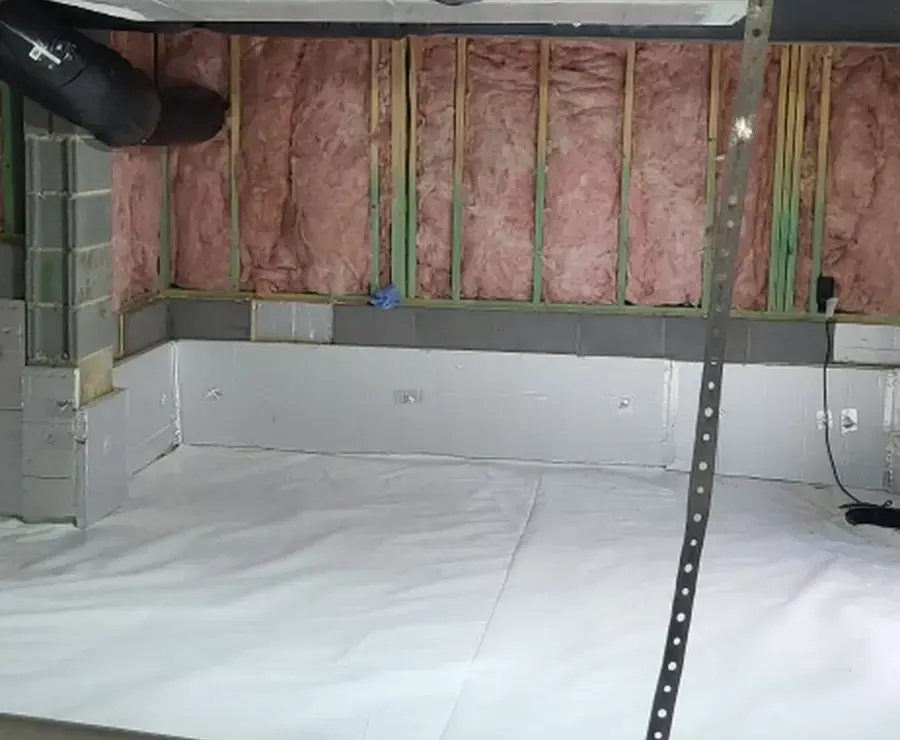
Vented crawl spaces on red clay, new PEX plumbing and storm rain off the Neuse basin shape how the drying team plans each job.
What does burst pipe cleanup cost in Wake Forest, NC?
In Wake Forest, NC, burst pipe cleanup typically runs $1,000 to $6,500, depending on how long the pipe ran, how many rooms and levels the water reached, whether walls must be opened and how quickly drying started.
Caught quickly, one room
$1,000 to $2,000- Extraction
- Baseboard removal
- Air movers and dehumidifier
Walls and subfloor wet
$2,000 to $4,500- Cavity drying
- Some drywall removal
- Crawl space check
Multi-level spread
$4,500 to $6,500+- Ceiling and wall removal
- Several rooms
- Extended drying
Every loss is different. For a planning range, try the water damage cost calculator.
The burst pipe cleanup process, step by step
- 1
Source and spread
The tech confirms the break is isolated and maps the wet area with thermal imaging.
- 2
Extraction
The crew pulls standing water from floors, carpet and any crawl space below.
- 3
Cavity drying
Baseboards come off and air is pushed into wet walls; LGR units control humidity.
- 4
Verify and document
Daily readings, photos and the moisture map go into the claim file.
A burst pipe is a clean-water loss when it starts, but it does not stay that way. After a day or two of sitting in carpet and drywall, Category 1 water can turn to Category 2, which is why the first calls on a burst pipe are about speed.
Where burst pipes happen in Wake Forest homes
- Galvanized supply lines in older historic-district homes that corrode from the inside out.
- Polybutylene supply lines in homes plumbed between 1978 and 1995.
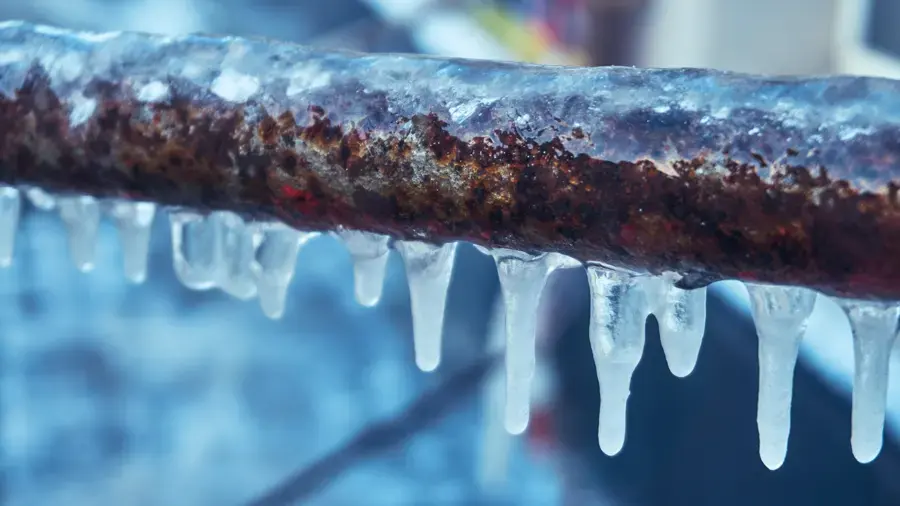
- Pipes in vented crawl spaces and exterior walls that split during a hard freeze.
- Fittings and connections in newer homes that give way under pressure.
How the water is chased through the house
Water from a burst line runs inside the wall to the bottom plate, under the flooring and through the subfloor to the crawl space. The tech who does the walkthrough uses a thermal camera and pinless meters to follow it, marking the wet edge on the wall. The extraction crew then clears standing water, and the drying team opens only what has to be opened: baseboards come off and small holes are drilled so dry air can be pushed into the cavity. Full drywall removal is saved for walls that are soaked high up or that had Category 2 water sitting in them.
Documentation for the claim
Sudden and accidental discharge from a plumbing system is the kind of loss most homeowners policies are written for. The claim is decided on the file, so the mitigation team takes timestamped photos before any demolition, records the moisture map and keeps daily psychrometric readings. For planning around pipe care, the EPA WaterSense leak pages and Ready.gov winter weather tips are good starting points. If the break happened in a freeze, see frozen pipe water damage.
Burst Pipe Cleanup across Wake Forest and nearby towns
The restoration team covers Wake Forest ZIP codes 27587 and 27588, from the historic district to Heritage, Holding Village and Traditions, and out to Rolesville, Youngsville, Franklinton and North Raleigh.
See every neighborhood and ZIP coveredServices related to burst pipe cleanup in Wake Forest
Burst Pipe Cleanup questions, answered
How much water can a burst pipe release?
A half-inch supply line under normal pressure can release several gallons a minute, so a break that runs for a few hours can put hundreds of gallons into a house. That is why closing the main valve comes first.
Does drywall always have to come out after a burst pipe?
No. When the water was clean and drying started quickly, walls can often be dried in place by removing baseboards and pushing air into the cavity. Drywall that is soaked high or sat wet for days usually comes out.
Can I use the water after the pipe is repaired?
Once a plumber repairs the break and the lines are tested, yes. The drying equipment keeps running while you use the house.
What if the pipe burst inside a wall I cannot see?
Signs include a running meter with everything off, a wet baseboard, a bubbling paint line or a sound of running water. Thermal imaging and meters can find the wet area without opening the wall first.
Is a burst pipe covered by insurance?
Sudden and accidental pipe bursts are commonly covered, while slow leaks over time often are not. Coverage depends on your policy, so check with your own insurer.
How long do the drying machines stay?
Until the readings say dry. A contained Class 1 or 2 loss usually dries in three to five days; plaster walls and hardwood take longer.
Burst Pipe Cleanup in Wake Forest? Call now.
The restoration team extracts the water, dries the structure to the IICRC S500 standard and documents every step for the insurance claim.