Water Damage Restoration Wake Forest, NC
24/7 water damage restoration in Wake Forest, NC. The restoration team extracts standing water, dries the structure to the IICRC S500 standard and documents every step for your insurance claim.
(888) 578-4720Water still spreading? Call the Wake Forest crew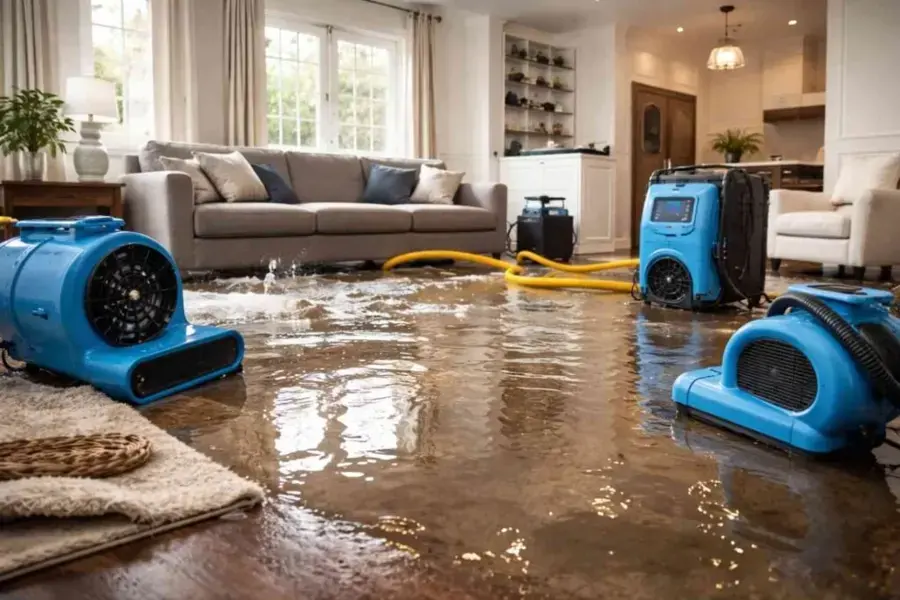
What to do while the water is still moving
- 1
Shut the main. Close the main water valve, often in the crawl space, a utility closet or at the meter.
- 2
Kill wet circuits. Turn off breakers for wet rooms if the panel is dry, and stay out of water near outlets.
- 3
Photograph first. Take photos of every wet room before moving anything, then lift rugs and belongings.
- 4
Call early. 24/7 dispatch covers nights and weekends, and mold can start inside 24 to 48 hours on wet drywall.
Water Damage Restoration Services in Wake Forest, NC
Water and sewage only, from extraction to the last moisture reading.
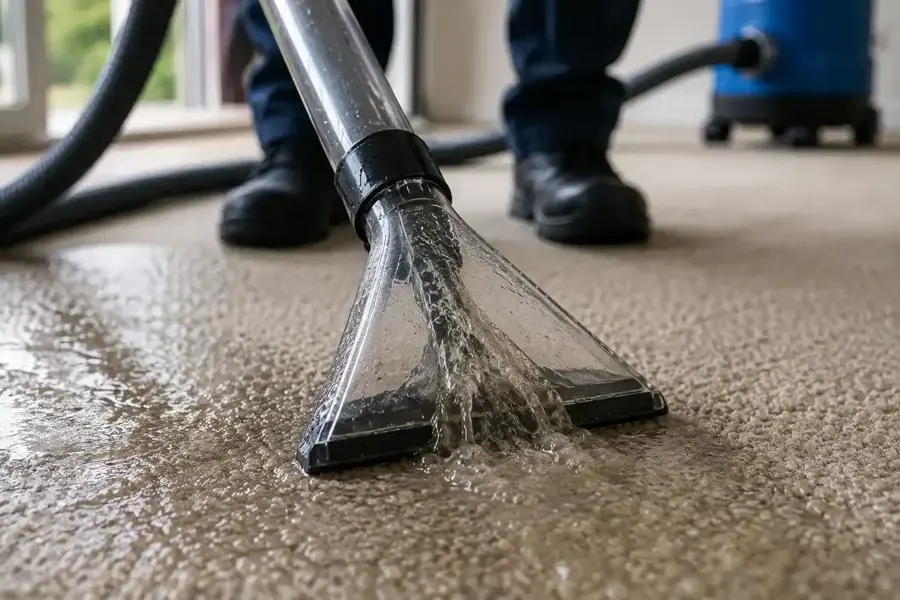 01Water Extraction & RemovalStanding water pulled out with truck-mounted extraction before it wicks into walls.View service
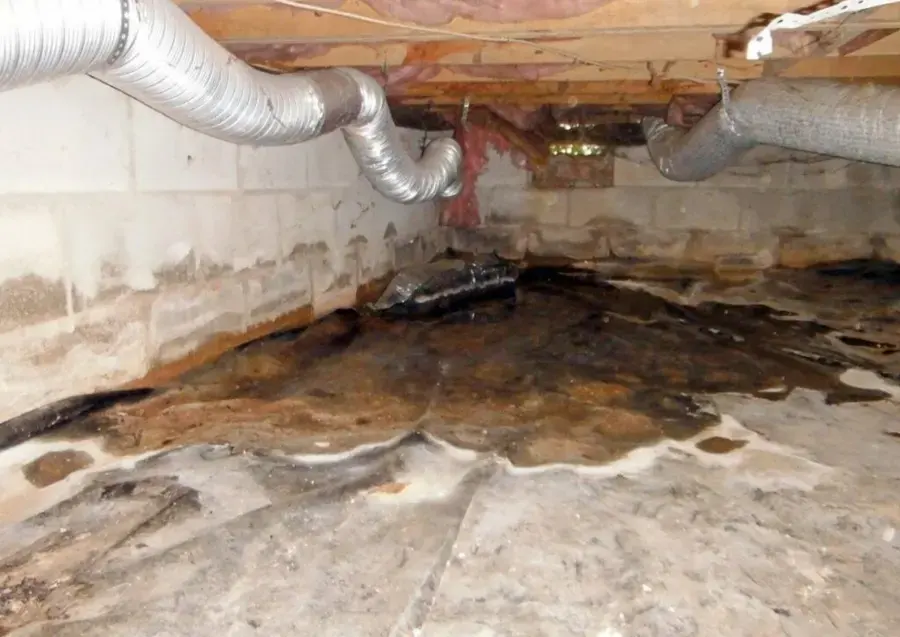
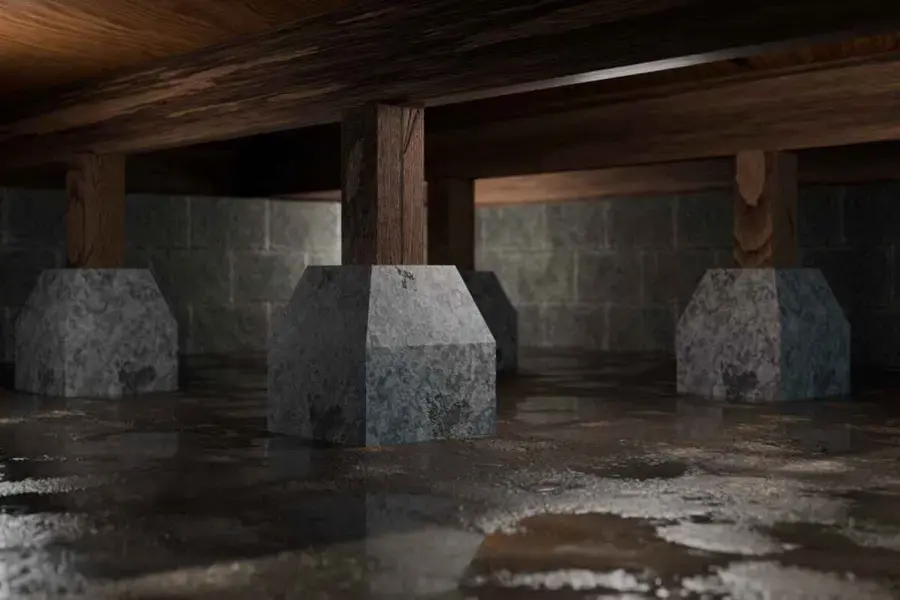 02Crawl Space Water DamageWater pooled on red clay under the house, pumped, dried and the joists checked.View service
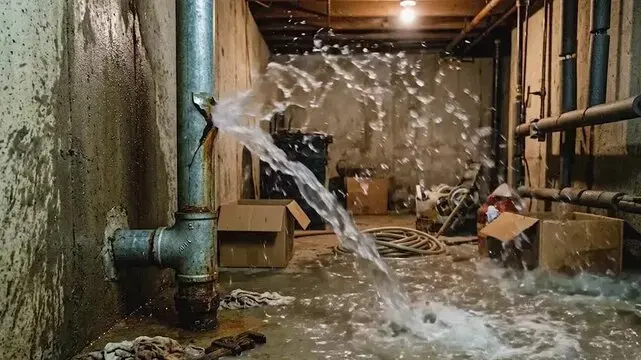 03Burst Pipe CleanupA split supply line shut down, the flood extracted and every wet cavity dried.View service
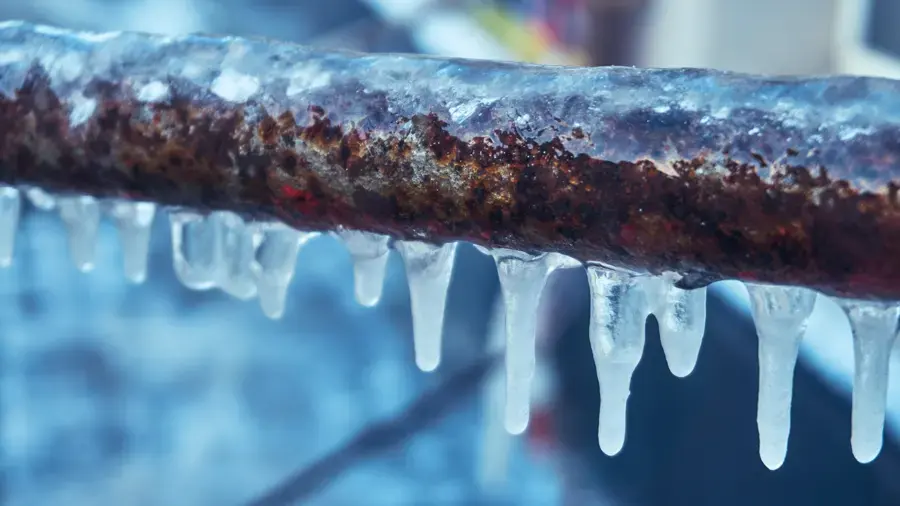 04Frozen Pipe Water DamageCold-snap splits in crawl spaces and exterior walls, found and dried out.View service
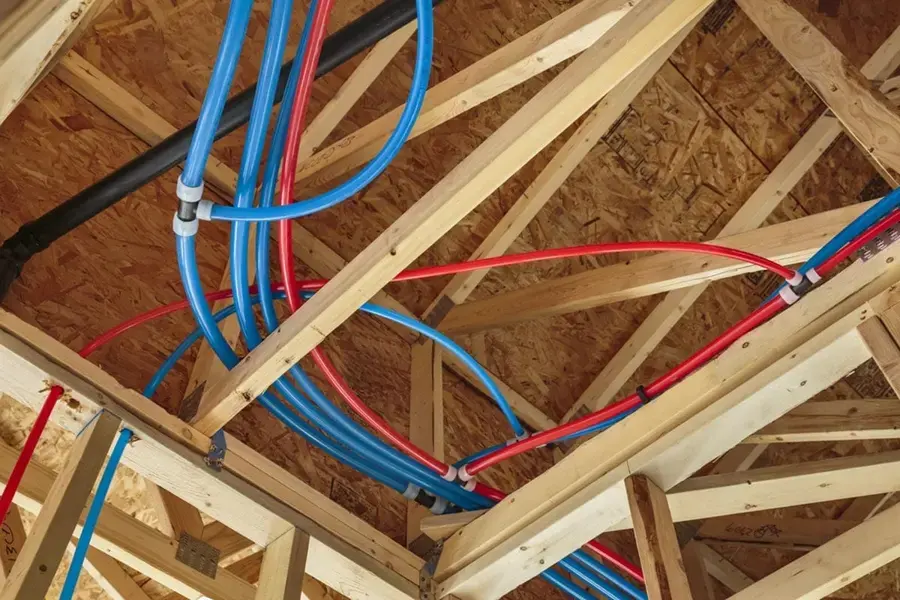 05New-Construction Plumbing Leak CleanupPEX fittings, crimp rings and nicked lines in newer homes, traced and dried.View service
 06Storm & Flood Water CleanupTropical storm rain and creek overflow cleared, sanitized and dried.View service
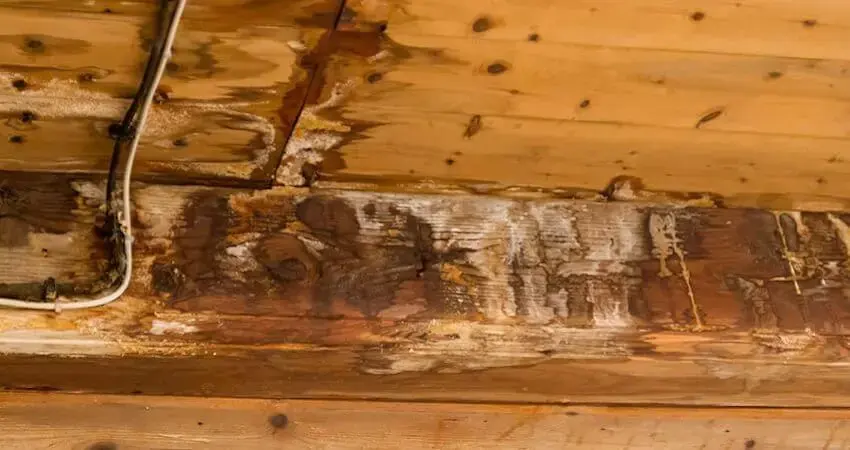 07Roof Leak Water DamageWater through shingles, flashing or valleys, dried from attic to ceiling.View service
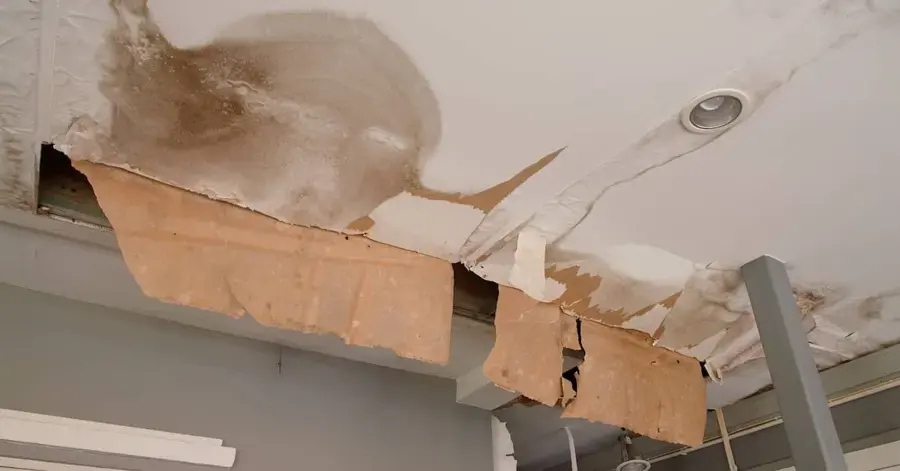 08Ceiling Leak Water DamageLeaks from a bathroom or attic unit above, located and dried in place.View service
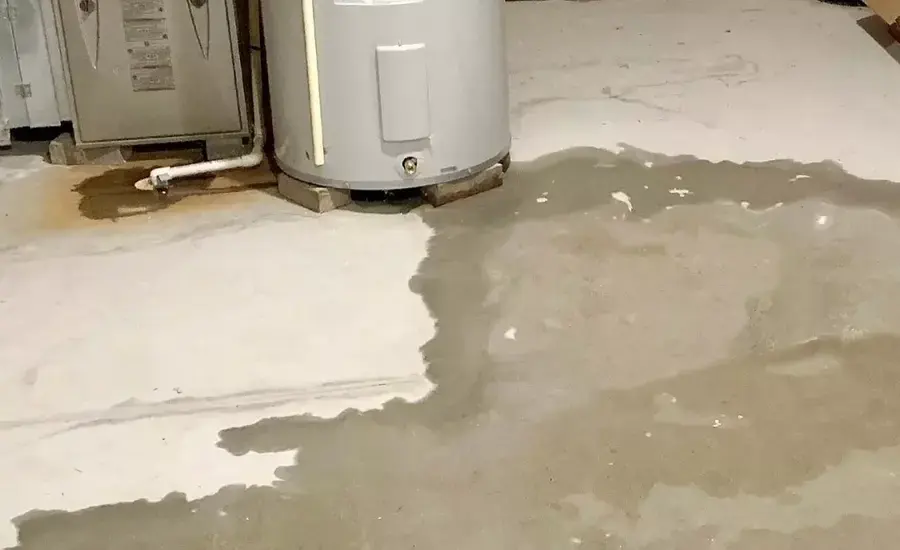 09Water Heater Leak CleanupTank and valve failures in garages, closets and attics, extracted fast.View service
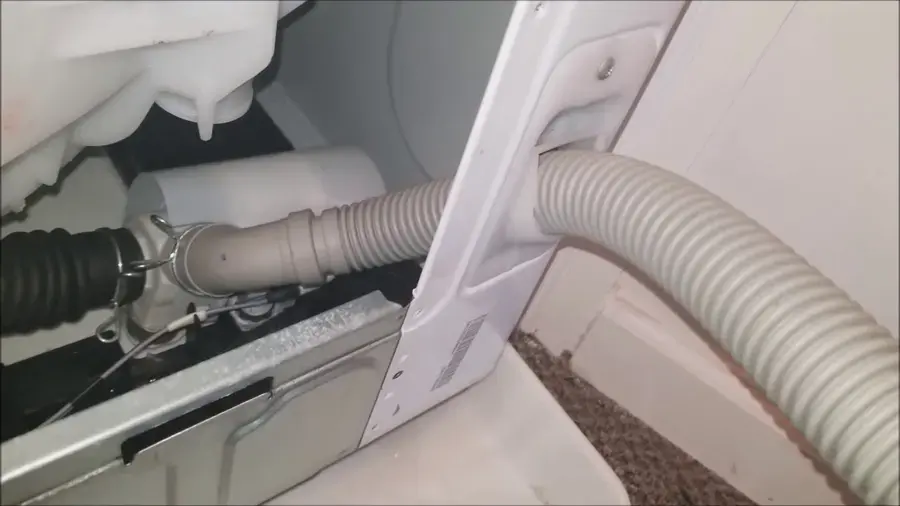 10Appliance Leak CleanupWasher, dishwasher and ice-maker line leaks cleaned up and dried.View service
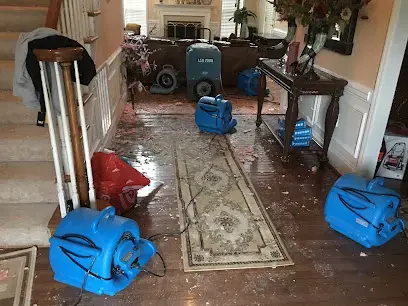
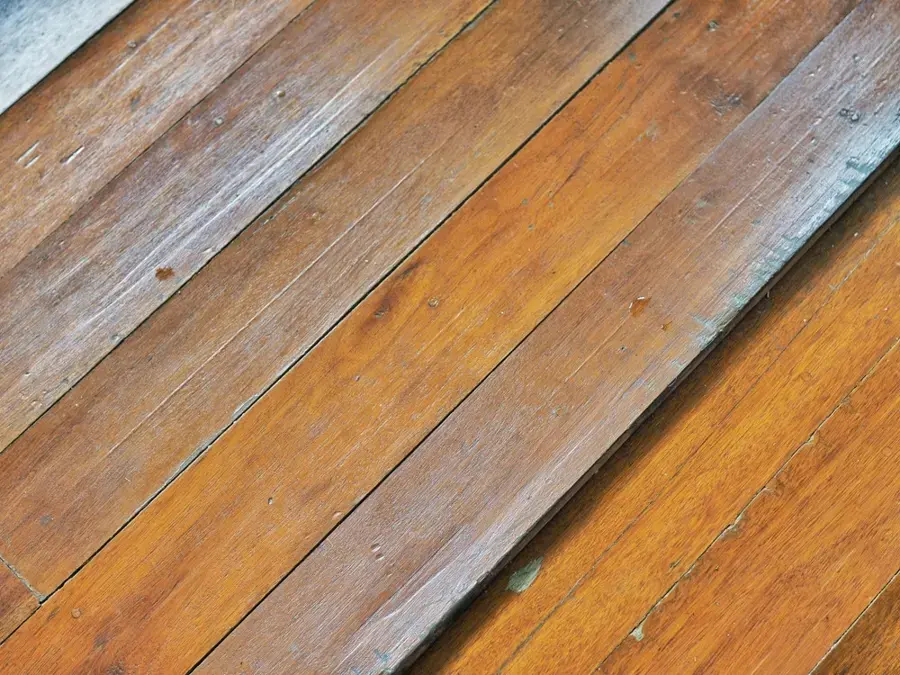 11Hardwood Floor DryingCupped oak and site-finished floors dried flat with floor mats and LGR units.View service
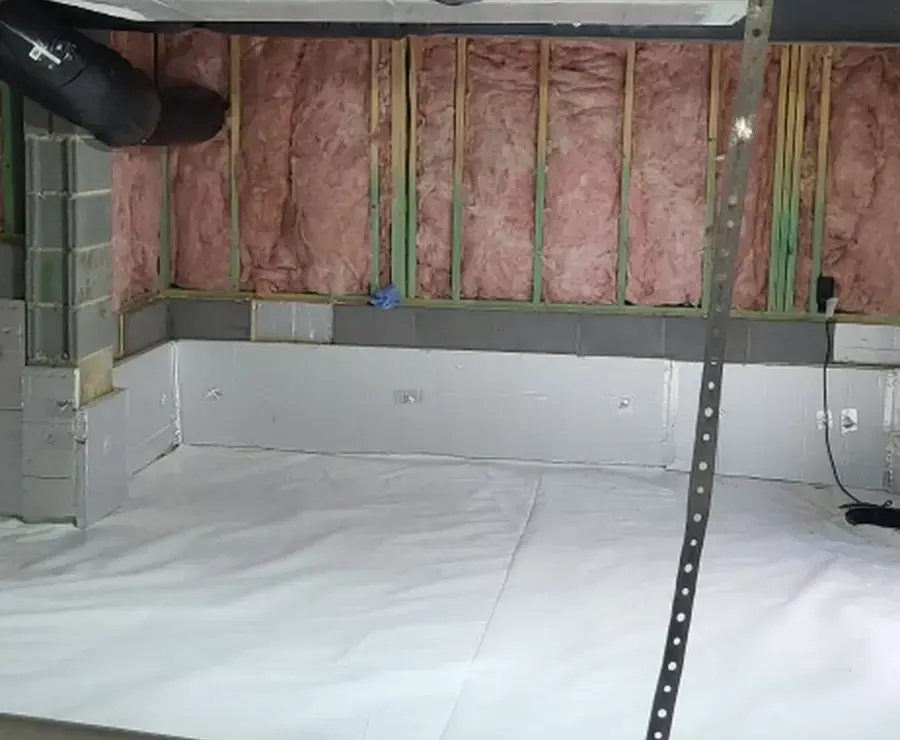 12Structural Drying & DehumidificationFraming, subfloor and cavities dried to a verified reading, not a guess.View service
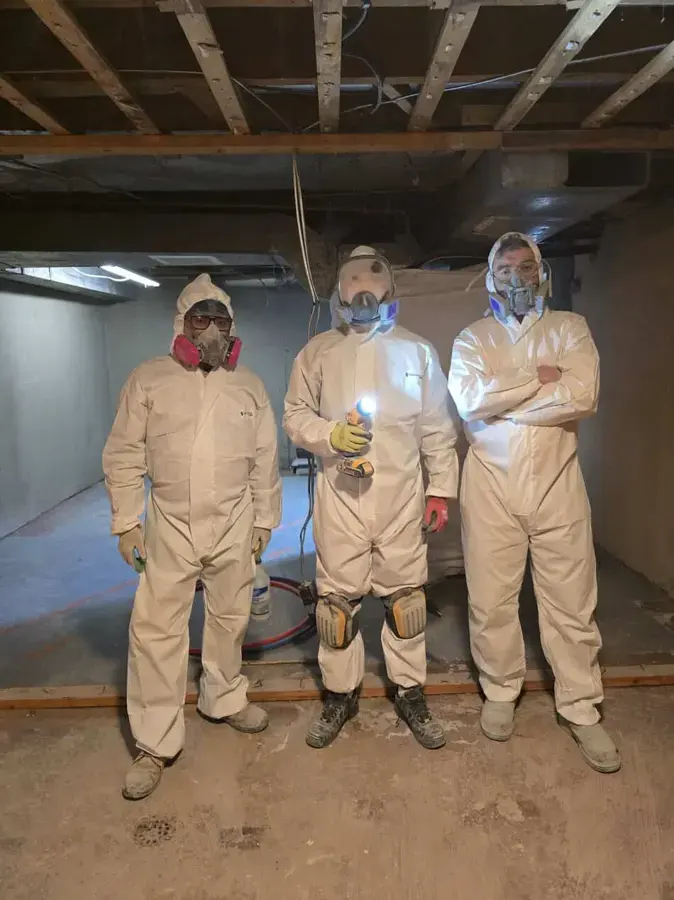 13Sewage Backup CleanupCategory 3 backups contained, removed and treated with antimicrobial.View service
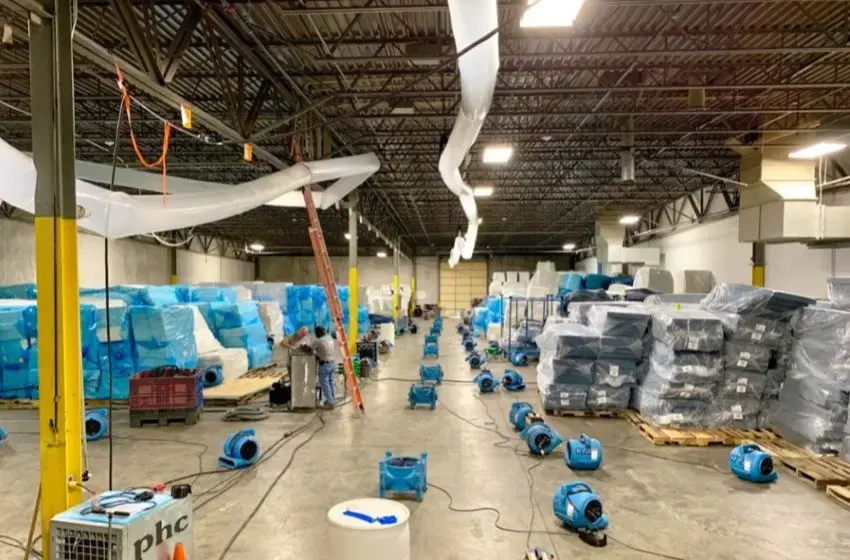 14Commercial Water Damage RestorationStorefronts, offices and churches dried with the least downtime possible.View service
Water damage dried to the IICRC S500 standard
- 1
Moisture mapping
The tech who does the walkthrough maps wet materials with pinless meters and thermal imaging before any equipment goes down.
- 2
Extraction
The extraction crew pulls standing water with truck-mounted units, including water that reached the crawl space.
- 3
Air movers and LGR dehumidifiers
The drying team sizes equipment to each room's evaporation load and keeps the house closed to humid outdoor air.
- 4
Dry verification
Readings go into a daily log, and equipment leaves when the wet material sits within 2 to 4 points of a dry reference.
How a water loss is handled in Wake Forest
Rapid local response
The response team runs emergency calls around the clock across Wake Forest, so the extraction starts while the water is still on the surface.
IICRC S500 drying standard
Crews follow the industry drying standard: moisture mapping first, then extraction, air movers and LGR dehumidifiers sized to the room.
Claim-ready documentation
The mitigation team records a moisture map, daily readings and timestamped photos, the file an adjuster reads.
Wake Forest water experts
Vented crawl spaces on red clay, new PEX plumbing and storm rain off the Neuse basin shape how the drying team plans each job.
Water damage experts for Wake Forest homes, old and new
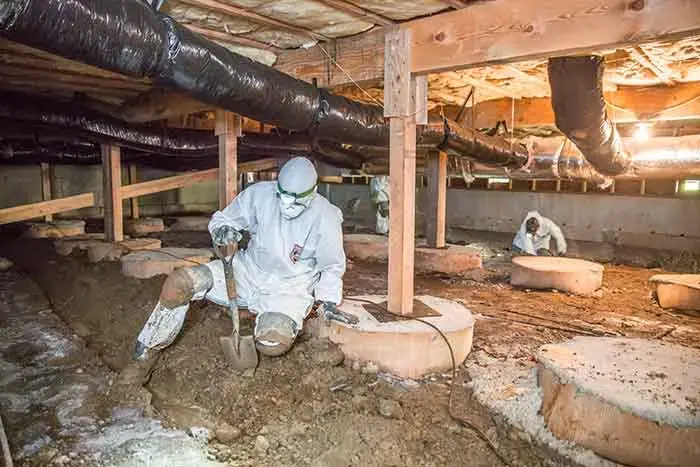
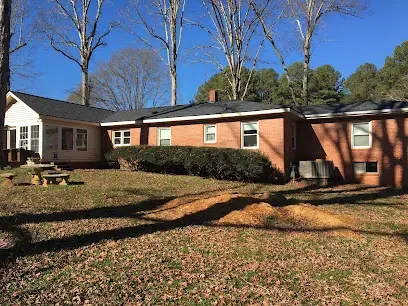
From the brick-pier houses around the old college campus to the new streets of Heritage and Holding Village, most Wake Forest homes sit over a crawl space. Water that reaches the floor usually reaches the clay underneath it too, so the restoration team checks below the house on every job where water crossed the subfloor.
Newer homes add PEX fittings and upstairs laundry rooms. Nothing comes out until the readings say dry.
How the restoration team worksWhat does water damage restoration cost in Wake Forest, NC?
In Wake Forest, NC, water damage restoration typically runs $1,000 to $10,000 or more. The range depends on the water category (clean, gray or black), how many rooms and levels the water reached, the material class, whether the crawl space is involved and how fast drying started.
Contained clean-water loss
$1,000 to $3,000- One or two rooms
- Extraction and air movers
- Three to four days of drying
Multi-room or crawl space
$3,000 to $7,000- Crawl space or subfloor drying
- Some drywall or insulation removal
- LGR dehumidifiers and daily readings
Contaminated or widespread
$7,000 to $10,000+- Storm floodwater or sewage
- Removal and antimicrobial treatment
- Full structural drying
For a planning range on your own loss, try the water damage cost calculator.
The gear a real dry-out runs on
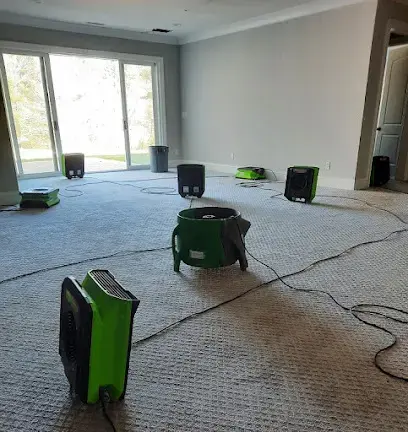
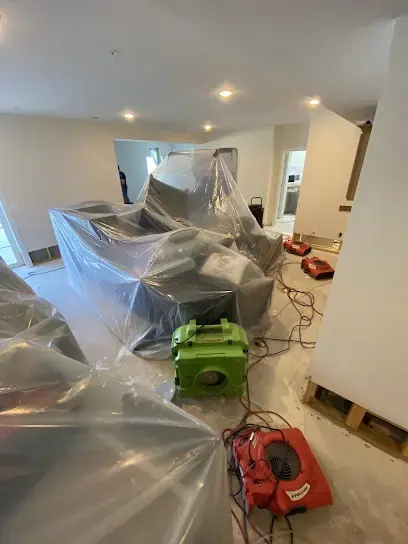
Truck-mounted extraction moves water out of the building, not into the next room.
Air movers are set to each room's evaporation load, not scattered at random.
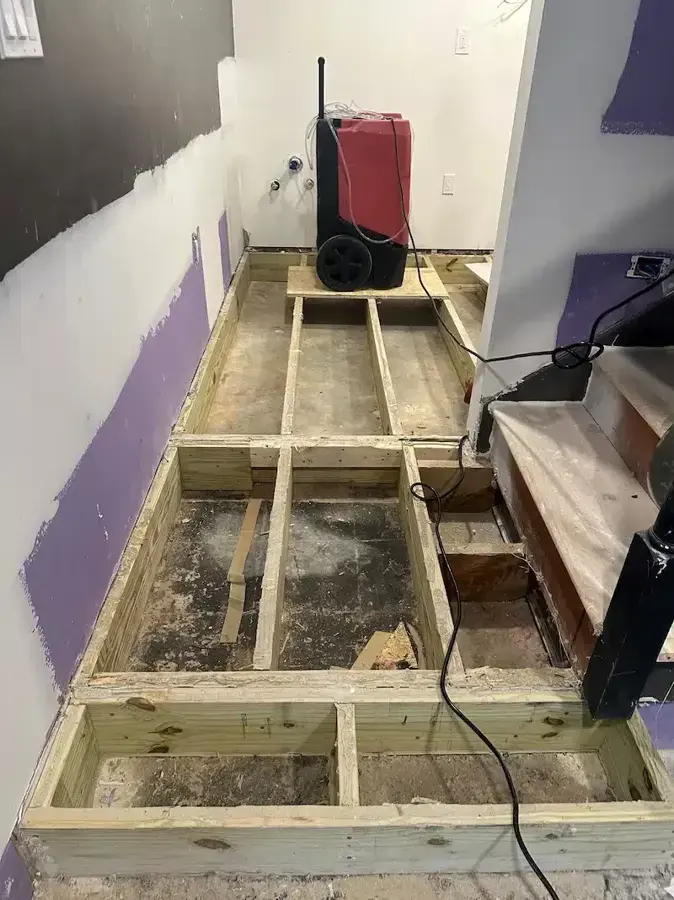
LGR dehumidifiers pull moisture from humid Carolina air; desiccants handle Class 4.
Thermal imaging and pinless meters find water behind walls and under floors.
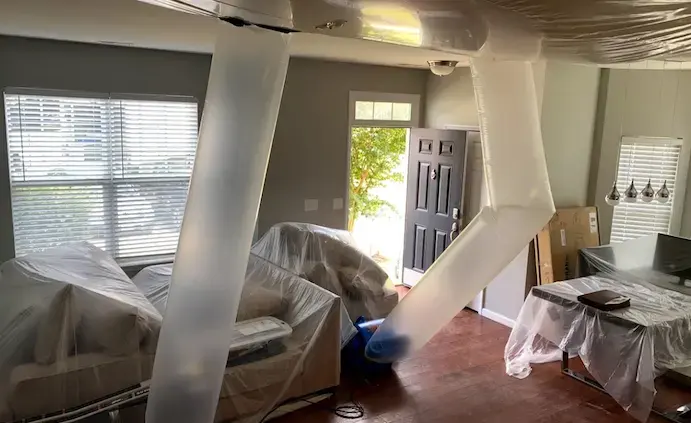
What a water damage dry-out looks like in Wake Forest
Where the Wake Forest restoration crew works
Water damage restoration across Wake Forest and the northern Wake County towns around it.
ZIP codes covered
Historic core
- Wake Forest Historic District
- Downtown Wake Forest
- Glen Royall Mill Village
- The old college campus
Newer communities
- Heritage
- Hasentree
- Holding Village
- Traditions
- Forestville
- Wakefield
Nearby towns
- Rolesville
- Youngsville
- Franklinton
- North Raleigh
- Falls Lake communities
One call reaches Wake Forest water damage pros, 24/7
Wake Forest water damage pros cover the historic district, the newer neighborhoods and the towns around them, and the extraction crew plans equipment around which level of the house is wet.
Water damage in Wake Forest, NC: the local risk profile
Wake Forest sits just east of Falls Lake, where the Neuse River leaves the dam and Smith Creek and Richland Creek wind through town. Four patterns drive most water losses here:
- Vented crawl spaces over Piedmont red clay that holds storm water under the house.
- PEX fitting and supply failures in the many homes built from the 2000s on.
- Tropical storm rain from August to October that pushes the creeks out of their banks.
- Short hard freezes that split pipes in crawl spaces, and old galvanized lines near downtown.
All water damage categories covered in Wake Forest, NC
Category 1, clean water
A supply line, burst pipe or water heater. Extracted and dried in place when drying starts early.
Category 2, gray water
Washer and dishwasher drains, toilet overflow without waste. Soaked materials are cleaned or removed.
Category 3, black water
Sewage and storm floodwater. Porous materials come out and surfaces get antimicrobial treatment.
Sewage backup cleanupWake Forest water damage questions, answered
How fast can a restoration crew respond in Wake Forest?
Water damage calls in Wake Forest are treated as urgent at any hour, day or night, including weekends and holidays. The faster extraction starts, the more of the floor, drywall and crawl space can be dried instead of replaced.
What causes most water damage in Wake Forest homes?
Water in vented crawl spaces over slow-draining red clay, plumbing failures in newer homes with PEX supply lines, storm rain from tropical systems, and pipes that freeze during short hard cold snaps. Older homes near downtown add aging galvanized and cast iron plumbing.
What should I do first while the water is still spreading?
Close the main water valve, turn off breakers for wet rooms if the panel is dry, stay out of standing water near outlets, photograph everything before moving it, lift rugs and belongings off the floor, then call.
How long does it take to dry a house after water damage?
A contained Class 1 or 2 loss usually dries in three to five days. Hardwood floors, plaster walls and wet crawl spaces take longer. Equipment stays until the readings match a dry reference material, not until a date on the calendar.
What is the IICRC S500?
It is the industry standard for professional water damage restoration. It sets how water is categorized, how drying equipment is sized and how a dry structure is verified with moisture readings.
Is water damage covered by homeowners insurance?
Sudden and accidental water damage, like a burst supply line, is commonly covered. Rising floodwater usually needs flood insurance, and slow leaks are often excluded. Coverage depends on your policy, so it is worth checking with your own insurer.
Why does crawl space water matter if the floors look fine?
Water under the house raises humidity, soaks the joists and subfloor, and eventually cups hardwood and causes musty odors upstairs. Drying it early keeps the damage below the floor.
How is the cost of water damage restoration calculated?
The main drivers are the water category, the square footage and number of rooms affected, the material class, and how fast drying started. The cost calculator gives a planning range.
Water in your Wake Forest home? Call now.
The extraction crew pulls the water, the drying team dries the structure to the S500 standard, and the file is ready for your insurer.