Structural Drying & Dehumidification in Wake Forest, NC
Surface drying makes a room look finished while the framing and subfloor stay wet. Structural drying is the part of the job that takes the wood, drywall and cavities back to a normal reading, measured every day.
(888) 578-4720Dry the framing, not just the surface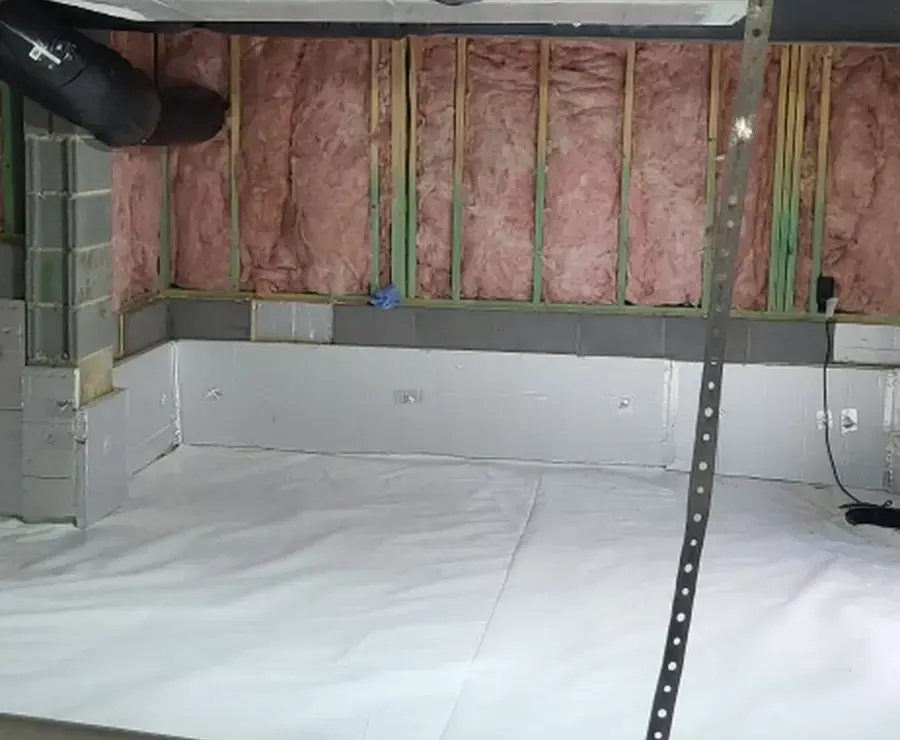
First steps for structural drying and dehumidification in Wake Forest
Keep windows closed
Humid outdoor air slows drying; let the equipment control the room.
Leave equipment running
Do not turn off air movers or dehumidifiers overnight to save noise.
Empty or drain as shown
Some units pump to a drain; others need a bucket emptied.
Call with questions
Call (888) 578-4720 if a unit stops or a reading seems off.
How structural drying and dehumidification is handled to the S500 standard
Rapid local response
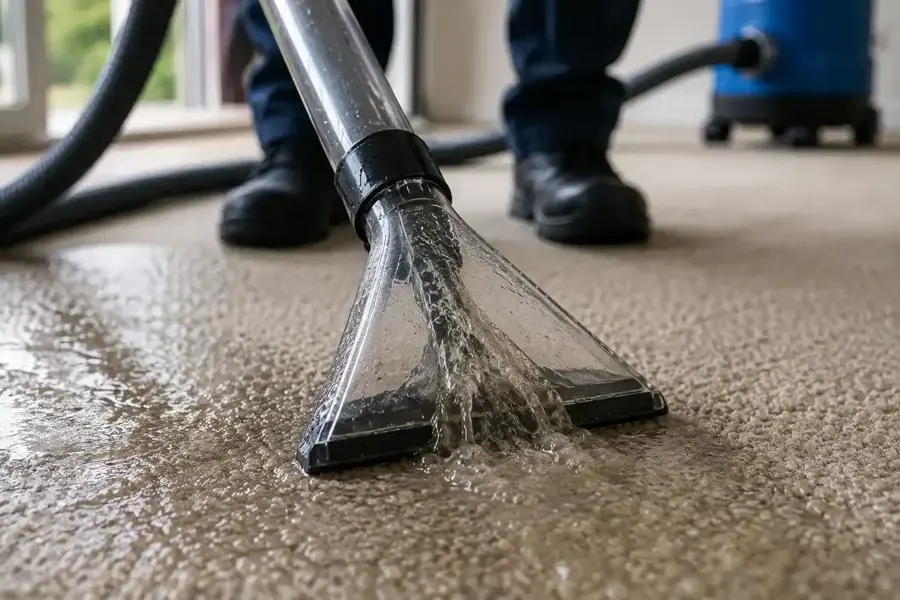
The response team runs emergency calls around the clock across Wake Forest, so the extraction starts while the water is still on the surface.
IICRC S500 drying standard
Crews follow the industry drying standard: moisture mapping first, then extraction, air movers and LGR dehumidifiers sized to the room.
Claim-ready documentation
The mitigation team records a moisture map, daily readings and timestamped photos, the file an adjuster reads.
Wake Forest water experts
Vented crawl spaces on red clay, new PEX plumbing and storm rain off the Neuse basin shape how the drying team plans each job.
What does structural drying and dehumidification cost in Wake Forest, NC?
In Wake Forest, NC, structural drying typically runs $1,000 to $6,000, depending on the class of loss, the number of rooms and levels, whether wall cavities and hardwood need targeted drying and how many days the equipment runs.
Class 1 or 2, one area
$1,000 to $2,200- Air movers
- LGR dehumidifier
- Three to four days
Class 3, walls and ceilings
$2,200 to $4,200- Cavity drying
- More equipment
- Daily logs
Class 4 or whole level
$4,200 to $6,000+- Desiccant units
- Hardwood mats
- Extended drying
Every loss is different. For a planning range, try the water damage cost calculator.
The structural drying and dehumidification process, step by step
- 1
Moisture mapping
Wet materials, the class of loss and a dry reference are recorded.
- 2
Equipment plan
Air movers and dehumidifiers are sized to each room's evaporation load.
- 3
Cavity and floor drying
Walls, subfloor and hardwood get targeted drying systems.
- 4
Daily logs to goal
Readings and psychrometric data are recorded until dry.
North Carolina summers make drying harder. Outdoor air in Wake Forest often carries more moisture than the air a drying job is trying to create, so opening windows usually slows drying down. Structural drying controls the air inside the house instead.
Class 1 through 4
The IICRC S500 sorts losses by how much water there is to evaporate, and the class sets how much equipment a room needs:
- Class 1: a small area, low-porosity materials, little water absorbed.
- Class 2: a whole room, carpet and pad, water wicked up the walls.
- Class 3: water from above, soaked ceilings, walls and insulation.
- Class 4: dense materials like hardwood, plaster, brick and concrete that need low humidity and time.
The equipment and why it is placed where it is
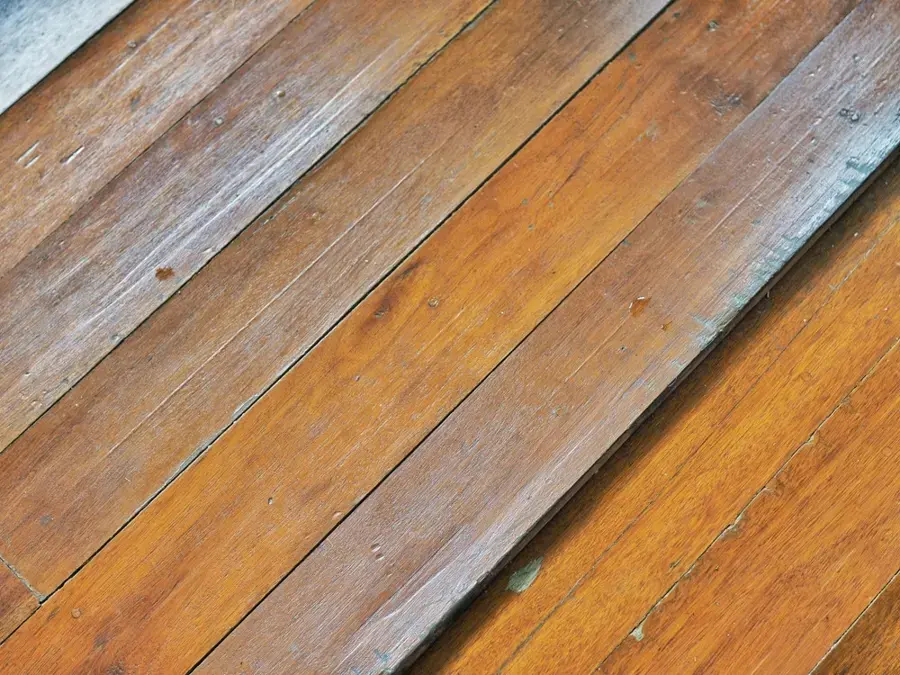
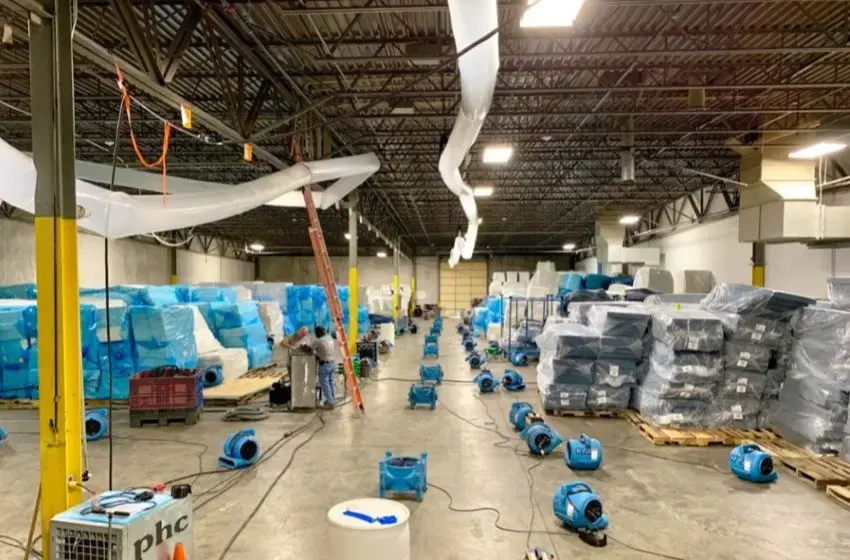
Air movers push air across wet surfaces to move moisture off them, and they are placed to match each room's evaporation load. LGR (low grain refrigerant) dehumidifiers pull that moisture out of the air and do well in warm, humid conditions. Desiccant dehumidifiers dry the air further for Class 4 materials and cool spaces like a closed crawl space. Wall cavities are dried by pushing air through small holes at the base, and floor mats pull water up through hardwood.
How the finish line is measured
The drying team reads the wet materials and a dry reference material in an unaffected part of the same house every day, and records temperature and humidity in a psychrometric log. Equipment comes out when the wet materials are within 2 to 4 points of the reference. That log is also the record an adjuster reads. The EPA explains the mold risk of materials left damp, and its indoor air pages cover humidity inside a home.
Structural Drying and Dehumidification across Wake Forest and nearby towns
The restoration team covers Wake Forest ZIP codes 27587 and 27588, from the historic district to Heritage, Holding Village and Traditions, and out to Rolesville, Youngsville, Franklinton and North Raleigh.
See every neighborhood and ZIP coveredServices related to structural drying and dehumidification in Wake Forest
Structural Drying and Dehumidification questions, answered
Why not just open the windows?
In Wake Forest the outdoor air is often humid enough to slow drying. Dehumidifiers dry the air inside the closed house much faster.
How do I know the house is really dry?
The drying team compares daily readings on the wet materials with a dry reference material in the same house. When they match within 2 to 4 points, the structure is dry.
Why is the equipment so loud?
Air movers move a lot of air to pull moisture off surfaces. The noise lasts only as long as the drying does, usually a few days.
What is a psychrometric log?
A daily record of temperature, relative humidity and grains of moisture in the air, used to show the drying is working.
What is the difference between LGR and desiccant dehumidifiers?
LGR units work well in warm, humid rooms; desiccant units dry air further and suit dense Class 4 materials and cool spaces.
Can drying be done without removing drywall?
Often, when the water was clean and drying started early. Cavity drying through small holes at the base of the wall avoids full removal.
Structural Drying and Dehumidification in Wake Forest? Call now.
The restoration team extracts the water, dries the structure to the IICRC S500 standard and documents every step for the insurance claim.