Crawl Space Water Damage in Wake Forest, NC
Most Wake Forest homes sit on a crawl space, and Piedmont red clay drains slowly. The restoration team pumps the standing water, dries the joists and subfloor, and checks the vapor barrier before the humidity climbs into the house.
(888) 578-4720Get the crawl space pumped and dried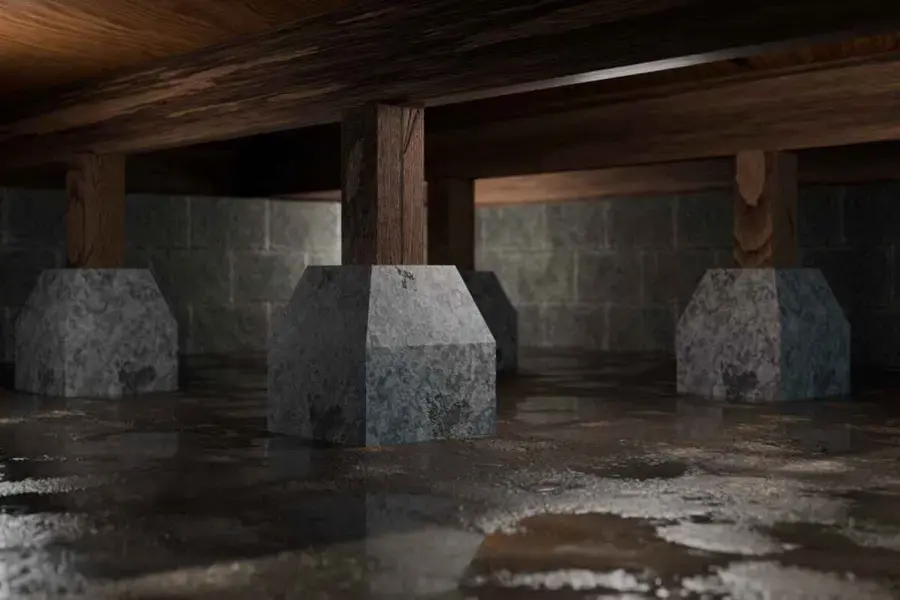
First steps for crawl space water damage in Wake Forest
Stay out of the water
Do not crawl into standing water near wiring, a furnace or a water heater.
Shut off the supply
If a pipe is running, close the main valve so the leak stops feeding the crawl space.
Check the floors above
Note any soft spots, cupping or musty smell and keep people off soft areas.
Call for a pump-out
Call (888) 578-4720 so pumping and drying start before the joists soak it up.
How crawl space water damage is handled to the S500 standard
Rapid local response
The response team runs emergency calls around the clock across Wake Forest, so the extraction starts while the water is still on the surface.
IICRC S500 drying standard
Crews follow the industry drying standard: moisture mapping first, then extraction, air movers and LGR dehumidifiers sized to the room.
Claim-ready documentation
The mitigation team records a moisture map, daily readings and timestamped photos, the file an adjuster reads.
Wake Forest water experts
Vented crawl spaces on red clay, new PEX plumbing and storm rain off the Neuse basin shape how the drying team plans each job.
What does crawl space water damage cost in Wake Forest, NC?
In Wake Forest, NC, crawl space water damage cleanup typically runs $1,500 to $7,500, depending on how deep the water is, how much insulation and vapor barrier must come out, the water category and how long the joists stayed wet.
Shallow water, quick response
$1,500 to $3,000- Pump-out
- Limited insulation removal
- Dehumidification
Soaked insulation and barrier
$3,000 to $5,500- Insulation and barrier removal
- Joist and subfloor drying
- Daily readings
Deep or contaminated water
$5,500 to $7,500+- Category 3 protocol
- Antimicrobial treatment
- Extended drying
Every loss is different. For a planning range, try the water damage cost calculator.
The crawl space water damage process, step by step
- 1
Crawl space inspection
The tech checks water depth, the source, insulation, the vapor barrier and joist readings.
- 2
Pump-out and removal
The crew pumps standing water and pulls wet insulation and damaged barrier.
- 3
Closed-space drying
LGR dehumidifiers and air movers run with the vents closed to outside humid air.
- 4
Wood readings to goal
Joists and subfloor are read daily until they match dry framing.
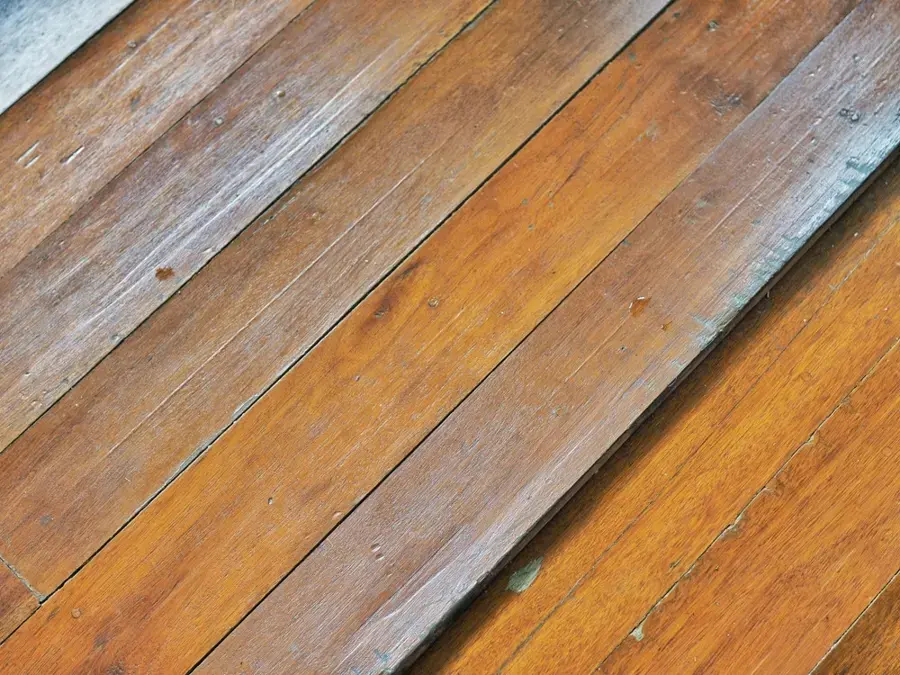
A wet crawl space is easy to miss and expensive to ignore. Water on the clay raises the humidity under the whole house, the joists and subfloor soak it up, and within a few weeks the floors above start to cup, smell musty or feel soft.
Why Wake Forest crawl spaces take on water
The historic district around the old college campus sits on brick piers over vented crawl spaces, and the newer subdivisions in Heritage, Holding Village and Traditions were mostly built on crawl spaces too. Red clay holds water at the surface instead of letting it soak away, so a few problems account for most calls:
- Storm rain and gutter discharge running toward the foundation and pooling under the house.
- A supply line, drain or water heater leak dripping for days before anyone looks below.
- Summer condensation on ductwork and cold water pipes in a vented crawl space.
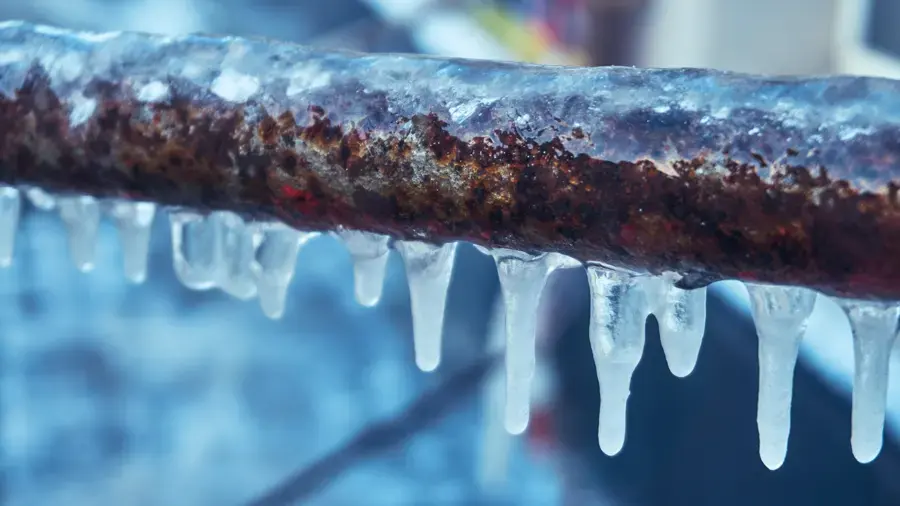
- A pipe splitting in a January cold snap where the vents let the cold straight in.
How a flooded crawl space is dried
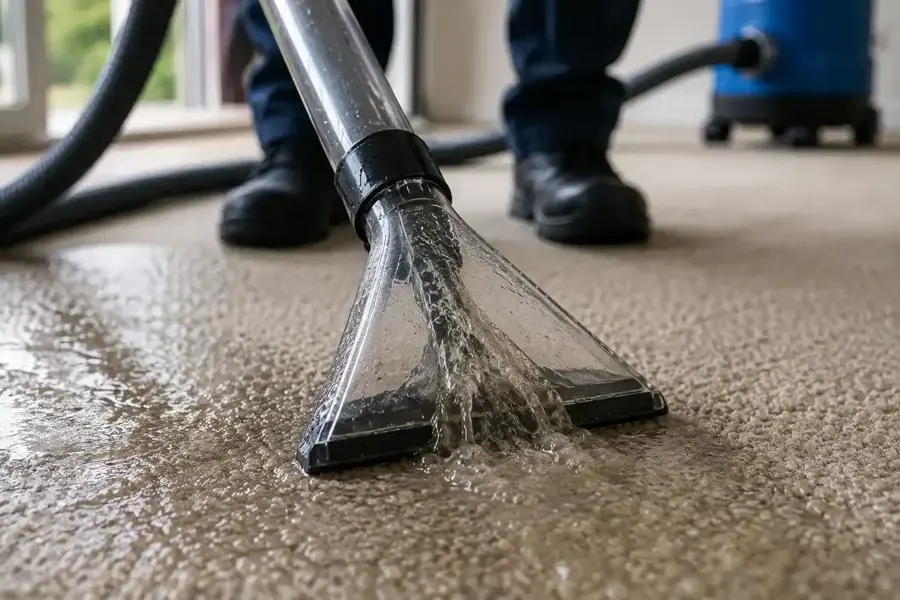
The extraction crew starts by pumping standing water and pulling out soaked insulation that hangs between the joists, since wet batts hold water against the wood. A torn or pooled vapor barrier is lifted so the clay underneath can be dealt with. The drying team then closes the space to outside air, sets air movers along the joist bays and runs LGR dehumidifiers until the wood readings drop. On Category 3 water, such as a sewer line break, contaminated soil contact areas are treated with an EPA-registered antimicrobial and porous materials are removed.
What a finished crawl space dry-out looks like
The crew records joist and subfloor readings every day and compares them against dry framing in an unaffected part of the house. The job is done when the wood meets that goal, not after a set number of days. If standing water keeps returning after storms, the cause is usually drainage at the surface, so the restoration contractor who responds notes gutter and grading issues for the homeowner. NC State Extension and the EPA indoor air pages both cover how moisture under a house affects the air inside it.
Crawl Space Water Damage across Wake Forest and nearby towns
The restoration team covers Wake Forest ZIP codes 27587 and 27588, from the historic district to Heritage, Holding Village and Traditions, and out to Rolesville, Youngsville, Franklinton and North Raleigh.
See every neighborhood and ZIP coveredServices related to crawl space water damage in Wake Forest
Crawl Space Water Damage questions, answered
How can I tell if water is in the crawl space?
Common signs are a musty smell in the house, floors that feel soft or start to cup, higher humidity indoors and a spike in the water bill if a pipe is leaking. A flashlight look through the access door usually confirms it.
Will a crawl space dry out on its own?
Rarely. Red clay drains slowly and a vented crawl space pulls in humid summer air, so standing water can sit for weeks while the joists absorb it. Pumping and dehumidifying is what brings the wood back down.
Does wet insulation have to come out?
Usually. Fiberglass batts that get soaked sag, lose their value and hold water against the subfloor. The crew removes them so the joists can dry, and new insulation goes in after the space is dry.
What about the vapor barrier?
A barrier with water on top of it traps that water against the house. The crew lifts or cuts out pooled sections so the space can dry, then notes the barrier for replacement.
Can crawl space water cause problems upstairs?
Yes. Moisture from below cups hardwood, swells subfloor and raises indoor humidity. That is why the drying team checks the floors above as part of the job.
Is crawl space flooding from a storm covered?
Water from a sudden plumbing failure is often covered. Surface water from storm runoff usually falls under flood coverage, not the standard homeowners policy. Check with your own insurer about your policy.
Crawl Space Water Damage in Wake Forest? Call now.
The restoration team extracts the water, dries the structure to the IICRC S500 standard and documents every step for the insurance claim.