Frozen Pipe Water Damage in Wake Forest, NC
Wake Forest winters are mild until they are not. When a hard cold snap reaches a vented crawl space or an exterior wall, a supply pipe splits, and the leak often starts only when the ice thaws. The drying team handles the water once it starts moving.
(888) 578-4720Stop the thaw water from spreading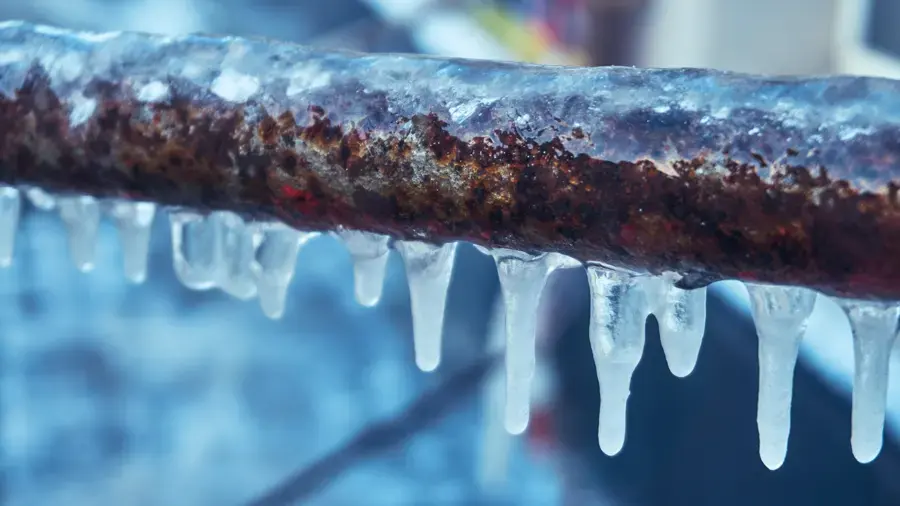
First steps for frozen pipe water damage in Wake Forest
Shut off the main
If a frozen pipe has split, close the main valve before it thaws further.
Thaw gently
Use a hair dryer or space heater on a frozen section; never an open flame.
Check the crawl space
Look under the house for water or dripping, from the access door only.
Call before it spreads
Call (888) 578-4720 so extraction starts as soon as the water moves.
How frozen pipe water damage is handled to the S500 standard
Rapid local response
The response team runs emergency calls around the clock across Wake Forest, so the extraction starts while the water is still on the surface.
IICRC S500 drying standard
Crews follow the industry drying standard: moisture mapping first, then extraction, air movers and LGR dehumidifiers sized to the room.
Claim-ready documentation
The mitigation team records a moisture map, daily readings and timestamped photos, the file an adjuster reads.
Wake Forest water experts
Vented crawl spaces on red clay, new PEX plumbing and storm rain off the Neuse basin shape how the drying team plans each job.
What does frozen pipe water damage cost in Wake Forest, NC?
In Wake Forest, NC, frozen pipe water damage cleanup typically runs $1,000 to $6,000, depending on where the pipe split, how long water ran after the thaw, how much crawl space insulation is soaked and how many rooms were reached.
Single split, found fast
$1,000 to $2,200- Extraction
- Local drying
- Short equipment stay
Crawl space and floor
$2,200 to $4,500- Insulation removal
- Crawl space drying
- Subfloor readings
Several walls or levels
$4,500 to $6,000+- Wall cavity drying
- Drywall removal
- Extended drying
Every loss is different. For a planning range, try the water damage cost calculator.
The frozen pipe water damage process, step by step
- 1
Locate the damage
The tech finds every wet area, including water that ran into the crawl space.
- 2
Extract and pump
The crew removes water from floors and pumps standing water under the house.
- 3
Remove wet insulation
Soaked batts and damaged vapor barrier come out so wood can dry.
- 4
Dry to the goal
Daily readings until joists, subfloor and walls meet the drying goal.
A frozen pipe does not leak while it is frozen. The ice splits the pipe, and the water only starts moving when the temperature climbs back above freezing, which is why frozen pipe losses often show up on the first warm afternoon after a cold night.
Which pipes freeze in Wake Forest
Homes here are built for heat and humidity, not deep cold, so plumbing often runs where the cold reaches it easily:
- Supply lines in vented crawl spaces, where the foundation vents let the wind straight in.
- Pipes in exterior walls on the north side of the house.
- Lines to outdoor spigots and irrigation, and supply runs through unheated garages.
- Plumbing in attics above bonus rooms in newer two-story homes.
How frozen pipe damage is dried
Once the pipe is repaired, the extraction crew clears water from the floors and pumps any water that reached the crawl space. Split pipes in a crawl space often soak the insulation and the vapor barrier, which come out so the joists can dry. The drying team closes the crawl space vents during drying so cold, damp air is not pulled back in, and runs LGR dehumidifiers until the wood readings meet the goal. For wall breaks, baseboards are removed and air is pushed into the cavity. The National Weather Service posts winter storm warnings for the Raleigh area, which is the best time to open cabinet doors and let faucets drip.
Preventing the next freeze
Close crawl space vents for the winter, insulate exposed pipes, disconnect hoses from outdoor spigots and keep the heat on when you travel. During a hard freeze, let a faucet on an exterior wall drip. The Department of Energy has practical insulation advice for older homes that are hard to heat.
Frozen Pipe Water Damage across Wake Forest and nearby towns
The restoration team covers Wake Forest ZIP codes 27587 and 27588, from the historic district to Heritage, Holding Village and Traditions, and out to Rolesville, Youngsville, Franklinton and North Raleigh.
See every neighborhood and ZIP coveredServices related to frozen pipe water damage in Wake Forest
Frozen Pipe Water Damage questions, answered
How cold does it have to get for pipes to freeze here?
Pipes in vented crawl spaces and exterior walls can freeze when temperatures drop into the low twenties for several hours, especially with wind. Wake Forest sees a few of those nights most winters.
Why did the leak start after the weather warmed up?
Ice inside the pipe splits it, but the ice also plugs the break. Water only flows once the ice melts, so the leak appears at the thaw.
Should I close my crawl space vents in winter?
Closing them during cold weather keeps freezing air away from the pipes. Reopen or manage them in the humid months to limit condensation.
Can a frozen pipe burst inside a wall?
Yes, pipes in exterior walls are a common spot. Signs include a damp baseboard or bubbling paint once the pipe thaws.
Is frozen pipe damage covered by insurance?
Many homeowners policies cover sudden water damage from a frozen pipe, often as long as reasonable steps were taken to keep the house heated. Check your own policy with your insurer.
How long does frozen pipe drying take?
A contained loss usually dries in three to five days. Crawl spaces with soaked insulation and hardwood floors can take longer.
Frozen Pipe Water Damage in Wake Forest? Call now.
The restoration team extracts the water, dries the structure to the IICRC S500 standard and documents every step for the insurance claim.